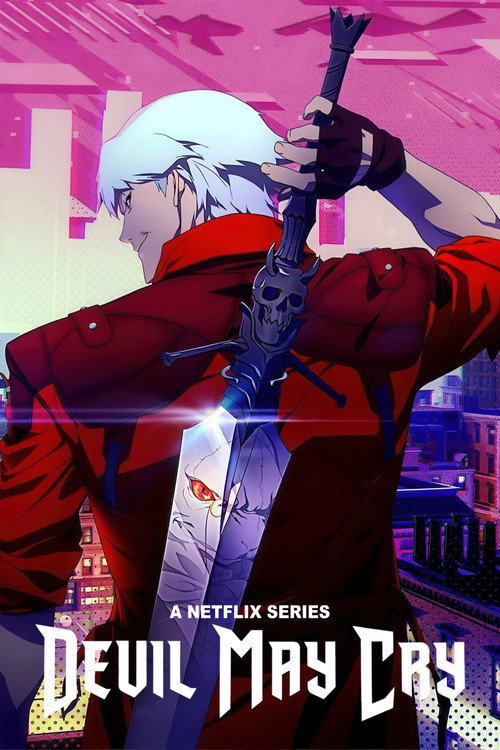
Devil May Cry
Season 1 Analysis
Season Overview
No specific overview for this season.
Season Review
Categorical Breakdown
Uses demons as a clumsy allegory for refugees and immigration. Character focus is shifted toward Mary (Lady) to satisfy intersectional representation demands at the expense of the main male lead.
Explicitly vilifies Western civilization and early 2000s American culture. Portrays the United States and its institutions as a fascist, jingoistic force that is the true source of global chaos.
Lady is a humorless 'Girl Boss' who frequently carries the narrative weight and outperforms the male protagonist. Dante is depicted as an immature, joke-cracking sidekick who lacks the seriousness of his female counterpart.
The show avoids traditional romantic dynamics and focuses on a de-feminized female lead. While it lacks an overt sexual agenda, it prioritizes gender-neutral character design over classic aesthetics.
Positions the Church and religious leaders as the primary source of evil and fanaticism. Portrays faith as a tool for political manipulation, with a religious fanatic serving as the series' central antagonist.