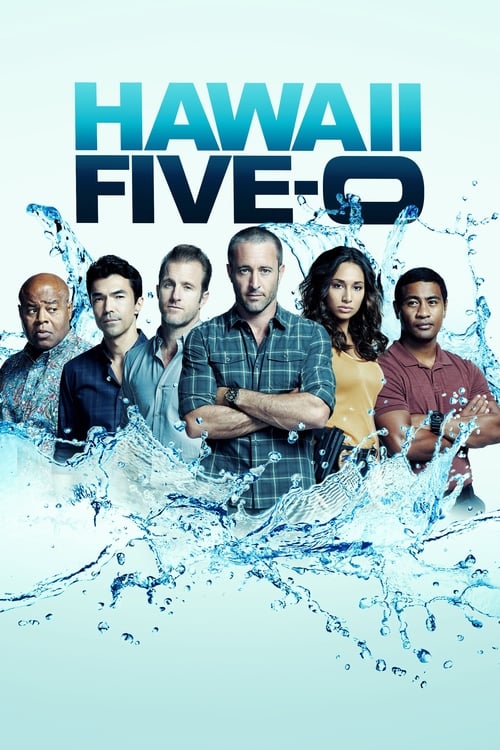
Hawaii Five-0
Season 10 Analysis
Season Overview
The 10th season finds McGarrett and Five-0 reeling from the shots fired in HQ and who on the team was hit.
Season Review
Categorical Breakdown
The Five-0 team is inherently diverse, a fact of the Hawaii setting and the show’s reboot, but the main conflict focuses on criminal syndicates and personal history, not on race-based lectures or the vilification of 'whiteness.' Characters are judged on their merit and dedication to law enforcement.
The central theme is the 'ohana bond of the task force, which is portrayed as a positive, stabilizing institution. The narrative celebrates Hawaiian culture, loyalty, and tradition, viewing institutions like law enforcement and family as necessary shields against chaos.
Female characters like Quinn Liu and Tani Rey are highly skilled military and law enforcement professionals who are integral to the team's success. This fulfills a 'Girl Boss' trope of high competence, but the core male leads remain strong and capable, preventing a score for systematic emasculation.
The season contains no discernible plotlines centered on alternative sexualities, gender ideology, or deconstructing the nuclear family structure. The main romantic development is the relationship between the heterosexual pairing of Tani and Junior.
The series remains a secular police procedural focused on crime, justice, and action. It neither attacks nor endorses religion, focusing instead on objective good vs. evil crimes, which aligns with transcendent morality inherent in the justice system.