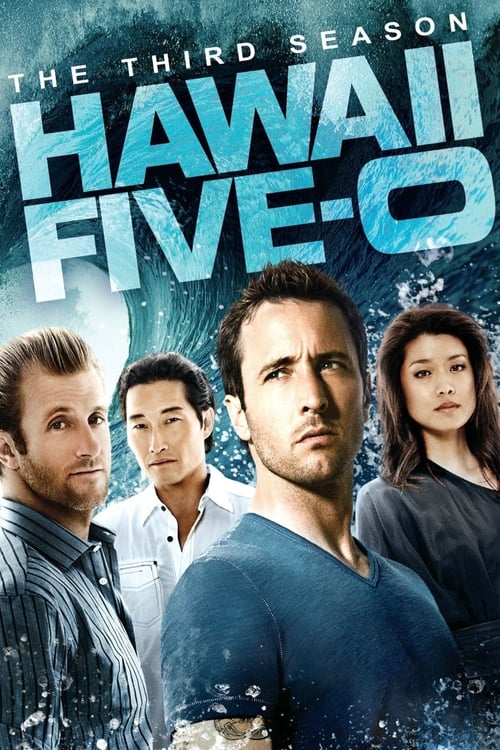
Hawaii Five-0
Season 3 Analysis
Season Overview
The third season of Hawaii Five-0 picks up where season two left off, with Chin Ho being forced to choose between saving his wife or his cousin. McGarrett escorts his mother back to Hawaii and realizes she is in danger but question whether his mother may be keeping from him. Meanwhile, the team turns to ex-con and art expert August March to help hunt down a group of thieves.
Season Review
Categorical Breakdown
The main team features a racially diverse cast, but characters are defined by their skill and personal storylines, such as Chin’s struggle for revenge or Danny’s fight for custody. The plot avoids lecturing on systemic oppression or privilege.
The show is rooted in celebrating the law enforcement and military institutions as the shield against chaos. The setting's local culture is consistently showcased and respected. There is no theme of civilizational self-hatred or demonization of Western structures.
Female characters like Kono Kalakaua and Catherine Rollins are highly capable Action Girls and military officers who are integral members of the team. Rollins is noted for utterly destroying an assassin in hand-to-hand combat, establishing a high bar for competence. However, their struggles are grounded in personal arcs, and the male leads remain highly capable, while Danny’s primary arc celebrates the fight for family life.
The narrative centers on traditional male-female pairings and the challenges of the nuclear family, specifically with Danny’s custody battle. The central plot does not feature any storylines centered on queer theory, sexual ideology, or deconstructing biological reality.
The show operates on an objective moral standard where organized crime and murder are clear evils. The search for justice and objective truth is the core engine of the plot, demonstrating a transcendent morality without exhibiting hostility toward religion.