Hawaii Five-0
Season 8 Analysis
Season Overview
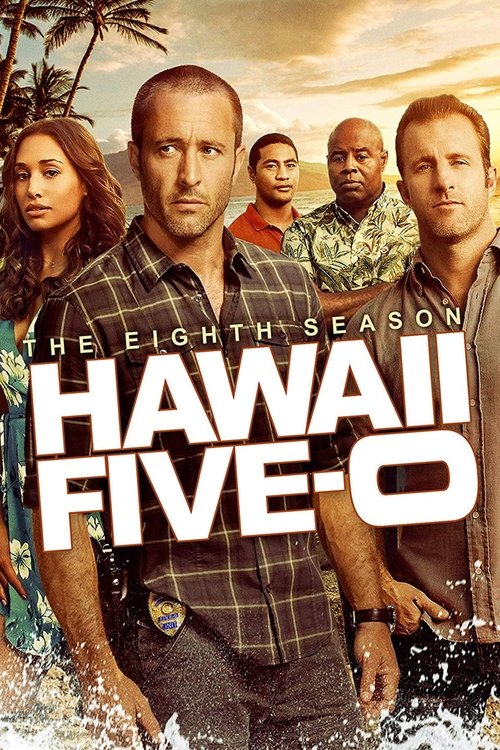
McGarrett, Danno and the Five-0 task force continue to wipe out the crime that washes up on the islands’ sun-drenched beaches, and this year are joined by new and old friends to help in their mission. Whether dealing with an infamous pyromaniac loose in the jungle, a devious black-hat hacker, stopping the dangerous Yakuza crime syndicate or planning to open a very bro-mantic restaurant, Five-0 continues to protect their loved ones, Hawaii’s citizens and visitors to the 50th state.
Season Review
Categorical Breakdown
The context of the season's launch, involving the departure of two long-standing Asian-American actors over alleged pay disparity with the white male leads, places a significant shadow over the season, reflecting a real-world systemic issue. The new casting is racially diverse with biracial and Samoan actors, but the white male leads remain the absolute center of authority, and the new female character of color is recruited as a protege. This suggests diversity is added but white male authority remains structurally paramount, leaning toward forced-insertion optics over universal meritocracy.
The series focuses on protecting Hawaii from criminal elements and frequently integrates local Hawaiian culture, language, and folklore into the storylines as a way to enrich the narrative. The institutional focus remains on law enforcement as a shield against chaos, showing respect for the local home culture rather than hostility toward it. The show does not demonize Western civilization or American institutions.
The new female character, Tani Rey, is a 'first-rate' police academy candidate and a capable addition to the team, which aligns with the 'Girl Boss' trope of a hyper-competent woman. However, she is still a subordinate being mentored by the male lead, McGarrett. The primary male-male friendship (McGarrett/Danny) remains a central emotional core, and the show contains no overt anti-natalist or anti-family messaging.
The season's primary plot lines are focused on police action, character bonding, and traditional crime fighting. There are no major storylines, lectures, or character arcs that center on alternative sexualities, the deconstruction of the nuclear family, or the introduction of gender ideology.
The series operates within a standard action-drama framework where crimes are solved and justice is served, relying on an implied objective moral law. There is no discernible hostility toward religion, nor are Christian characters specifically villainized or mocked. The narrative maintains a transcendent moral perspective where right and wrong are clearly defined.