Hawaii Five-0
Season 9 Analysis
Season Overview
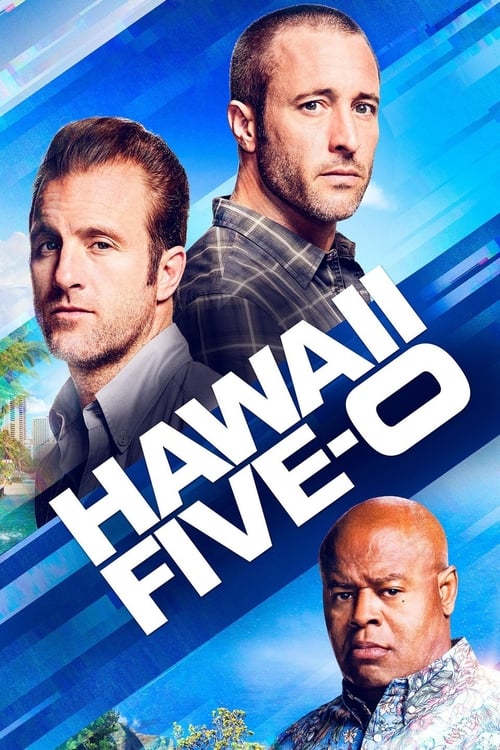
McGarrett, Danno and the Five-0 task force continue to wipe out the crime that washes up on the islands' sun-drenched beaches, and this year are joined by new and old friends to help in their mission.
Season Review
Categorical Breakdown
Casting features a diverse ensemble, including actors of Samoan, Japanese, and Indian descent, but this primarily reflects a genuine colorblind approach to filling out the team in a diverse location like Hawaii. The team leader and co-lead are white males, depicted as competent and heroic Navy SEALs and police detectives. An episode focusing on a 1940s internment camp cold case acknowledges a historical injustice, and one villain is a white supremacist, but the overall narrative does not structure itself as a lecture on systemic oppression or vilification of whiteness.
The narrative's central theme of 'ohana' (extended family and community) frames local institutions and the bond of the task force as a vital protection against chaos. The main characters are dedicated American law enforcement and military veterans who show loyalty to their nation and home state. The season features international threats, including a Chinese sleeper agent, and a villain who is a white supremacist planning a domestic bombing, but the overall presentation is one of respect for the sacrifices of ancestors and the local culture.
The primary female lead, Tani Rey, is a highly capable and effective law enforcement officer who is competent from her first introduction, but she is not an infallible Mary Sue, as her character arc involves navigating ethical challenges and personal development. The show balances a strong, protective masculinity in the male leads with the competence of the female characters. Family and parenthood, particularly Danny's relationship with his daughter and ex-wife, are shown as important and celebrated aspects of the characters' lives, not a hindrance to their careers.
The season maintains a normative structure, focusing on traditional male-female pairing and nuclear family concepts through the main characters' personal lives. There is no plot or recurring character centered on alternative sexualities or gender ideology. Sexuality is treated as a private matter and is not presented as a key identifying trait or political focus.
The procedural format focuses on objective criminal justice and maintaining a higher moral law where the good guys consistently win and the bad guys are punished. Faith is not a major plot point, but there is no hostility toward religion. The moral code is transcendent, where right and wrong are clearly defined and the task force works to uphold them.