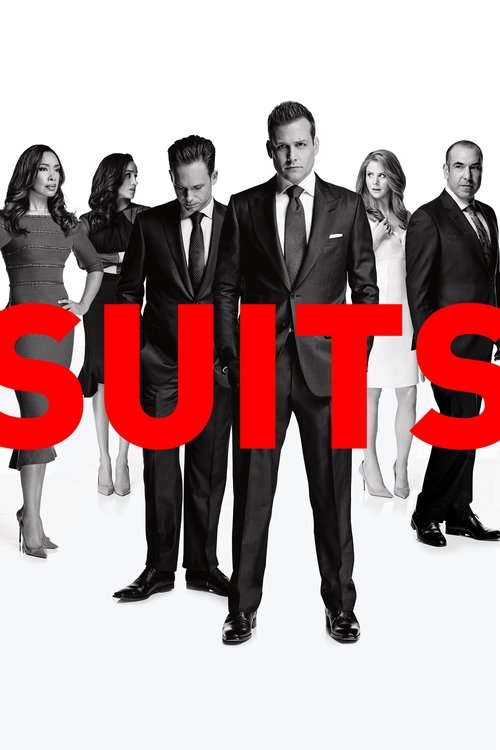
Suits
Season 6 Analysis
Season Overview
In the aftermath of the trial, Mike faces the realities of his situation while Jessica, Harvey and Louis grapple to contain the firm's vulnerability.
Season Review
Categorical Breakdown
The managing partner is Jessica Pearson, a Black woman, who is depicted as the most powerful and competent person in the firm, a strong positive representation. However, she ultimately resigns from the white-collar New York corporate sphere, choosing to move to Chicago for a purpose focused on helping the underprivileged with pro bono work. This narrative arc subtly suggests the white-male-dominated corporate structure is corrupt and ultimately insufficient, which slightly elevates the score.
The narrative's central conflict is the survival of a specific American institution—the prestigious New York law firm—against external threats and internal corruption. The characters' highest virtue is fierce loyalty to this institution and their 'family' of colleagues. Critiques are directed at corporate ethics and the legal system's moral compromise, not at Western civilization, heritage, or foundational institutions like the nation or traditional family structures.
Jessica Pearson is presented as the ultimate 'Girl Boss,' whose mastery of the firm is unshakeable until her self-chosen exit. The most significant gender dynamic is Donna Paulsen's plot arc where she invents and sells a technology based on her 'empathy' and intuition, branded as 'The Donna.' This self-naming and elevation of a female character's unique, non-quantifiable emotional skill to the level of a high-tech corporate asset is a classic 'Mary Sue' element and a highly literal 'Girl Boss' ambition narrative.
The season contains no explicit or implicit focus on alternative sexualities, gender ideology, or the deconstruction of the nuclear family. The primary relationships and cultural setting remain heterosexual and centered on career ambition within a conventional structure, keeping sexuality largely private and off-screen.
The show operates entirely on a secular, pragmatic moral framework where the legal end justifies the means and subjective ethical compromise is the norm. Objective Truth or a higher moral law is consistently sidelined in favor of what is necessary to win or survive. This consistent prioritization of subjective legal 'power dynamics' and corporate maneuverings over any transcendent morality places it squarely in the moral relativism column, even without explicit anti-religious dialogue.