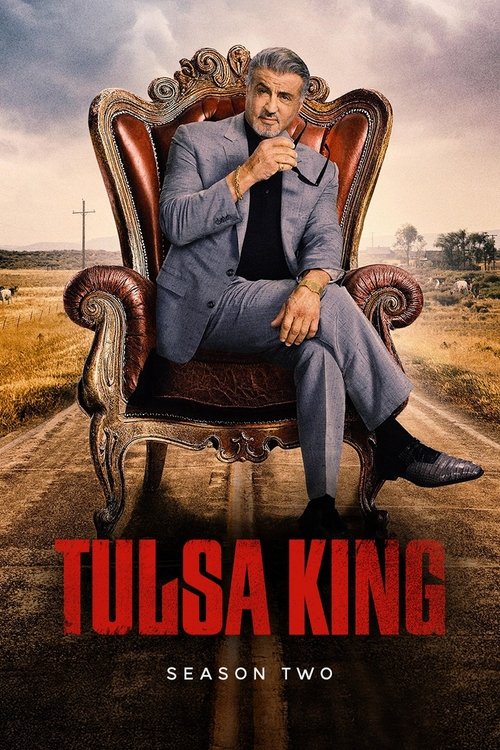
Tulsa King
Season 2 Analysis
Season Overview
In season two, Dwight and his crew continue to build up and defend their growing empire in Tulsa but, just as they get their bearings, they realize that they're not the only ones who want to stake their claim. With looming threats from the Kansas City mob and a very powerful local businessman, Dwight struggles to keep his family and crew safe while keeping track of all his affairs. Plus, he still has unfinished business back in New York.
Season Review
Categorical Breakdown
The diverse crew operates as a strict meritocracy. Dwight leads based on experience and toughness, ignoring racial grievances or intersectional hierarchy in favor of individual loyalty.
The narrative celebrates Western concepts of property, entrepreneurship, and territorial sovereignty. It respects ancestral traditions and the importance of protecting one's home and family.
Women are portrayed as distinct, complementary figures rather than invincible 'girl bosses.' Motherhood and family ties are central motivations for the female characters, who support rather than emasculate the men.
The show maintains a traditional focus on heterosexual relationships and nuclear family dynamics. Gender ideology and alternative sexual identities are entirely absent from the narrative focus.
The series avoids hostility toward faith and traditional institutions. It acknowledges objective truths regarding loyalty, betrayal, and a higher moral code rather than descending into moral relativism.