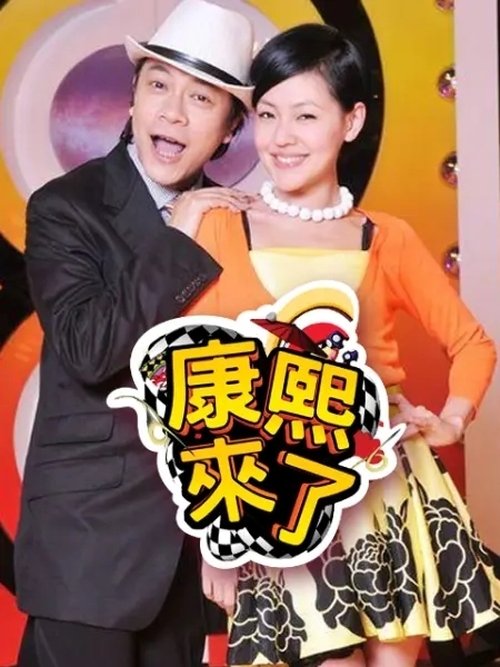
Kangsi Coming
Season 3 Analysis
Season Overview
No specific overview for this season.
Season Review
Categorical Breakdown
The program is centered on Sinophone celebrity culture, meaning the cast and guests are overwhelmingly East Asian. The narrative does not utilize an intersectional lens, vilify 'whiteness,' or force diversity, as those characteristics are irrelevant to the show's cultural context and guest pool. Character judgment is based purely on celebrity merit and social standing.
The content is primarily a celebration and satirization of Taiwanese/East Asian celebrity culture. Discussions with politicians and intellectuals are conducted in a free, democratic style that critiques the local establishment but does not frame the home culture as fundamentally corrupt or racist. There is no evidence of civilizational self-hatred or a 'Noble Savage' trope.
Host Dee Hsu is a dominant, irreverent, and highly successful woman who often uses aggressive, emasculating humor toward male guests and her co-host, embodying a 'Girl Boss' persona. The show frequently examines and often critiques the unrealistic beauty standards and traditional roles imposed on women, which is not a celebration of complementarianism. The female lead is not a 'Mary Sue,' but the overall gender dynamic is heavily weighted toward female dominance in the comedy.
The talk show is a pioneering and high-profile platform for LGBTQ+ culture in the Chinese-speaking world, with its co-host, Kevin Tsai, being openly gay. The program centers alternative sexualities and gender identity issues for discussion, including segments on cross-dressing. The frequency and openness of these discussions actively deconstruct the standard male-female pairing as the only accepted public norm.
The program's primary subject matter is celebrity gossip, often revolving around extramarital affairs and personal secrets, which are presented as sources of entertainment. This approach normalizes and satirizes traditional moral boundaries, embracing moral relativism. However, the show does not explicitly attack religion, nor are Christian characters specifically villainized; the conversation simply occurs in a purely secular, subjective space.