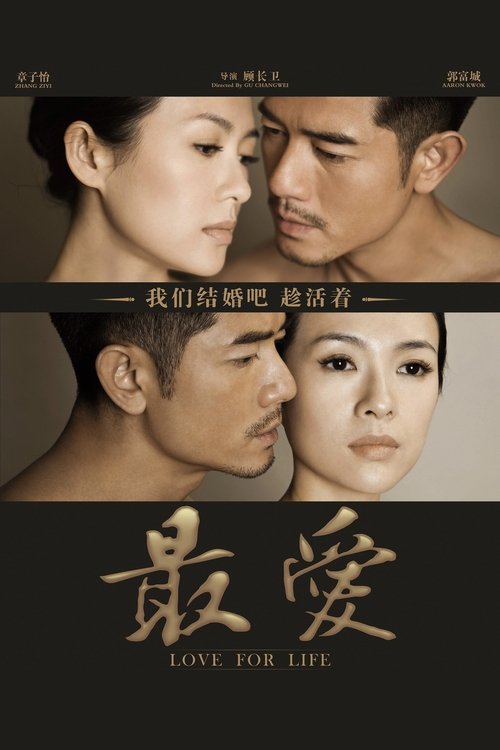
Love for Life
Plot
Set in a small Chinese village where HIV virus is spreading rapidly as a result of illicit blood trade, Mo shu wai zhuan revolves around De Yi and Qinqin are both estranged from their respective family because of their disease and unexpectedly find love with each other by their misfortunes.
Get the Weekly Woke Watchlist
New and trending movies scored for woke bias, preachy messaging, and forced political themes — before you waste your evening.
No spam. One useful email per week.
Overall Series Review
Categorical Breakdown
The narrative's central conflict is not based on race or immutable characteristics, but on a medical status: being HIV-positive due to the blood trade scandal. The infected characters are marginalized and vilified by the healthy villagers. The story centers on the universal human merit of the protagonists' emotional bond and character in the face of terminal illness and social rejection. The film is a study of prejudice, not intersectional hierarchy in the Western sense.
The film delivers a strong and uncompromising internal critique of systemic corruption (the blood merchant scandal) and the extreme cruelty and rejection by the villagers and families toward the infected. The hostility is toward the failures and moral vacuum within their own society and community, rather than Western civilization. The core institutions of family and community are shown to have failed the protagonists, exposing deep social failings, but the film ultimately champions the human spirit, not self-hatred.
The female lead, Qinqin, is defined by her desire for love and a companionable marriage after being rejected by her husband for her illness. Her motivation is purely romantic and based on seeking emotional security, not career fulfillment or 'Girl Boss' power. The male lead is a capable, though flawed, partner who actively pursues a legitimate marriage with her. The gender dynamics are traditional, centering on a complementary partnership that offers protection and vitality in the face of death.
The entire story revolves around a deeply felt heterosexual romance and the protagonists' struggle to achieve a legitimate traditional marriage and family structure, even in their dire circumstances. The film contains no themes of centering alternative sexualities, deconstructing the nuclear family as an oppressive structure, or any gender ideology lecturing. The structure remains strictly normative.
The movie is a social drama focused on the medical, emotional, and social fallout of the AIDS epidemic. It makes no reference to Christianity, nor does it express hostility toward any religion or religious figure. Moral law is acknowledged through the universal values of love, empathy, and the rejection of corruption and cruelty.
Get the Weekly Woke Watchlist
New and trending movies scored for woke bias, preachy messaging, and forced political themes — before you waste your evening.
No spam. One useful email per week.