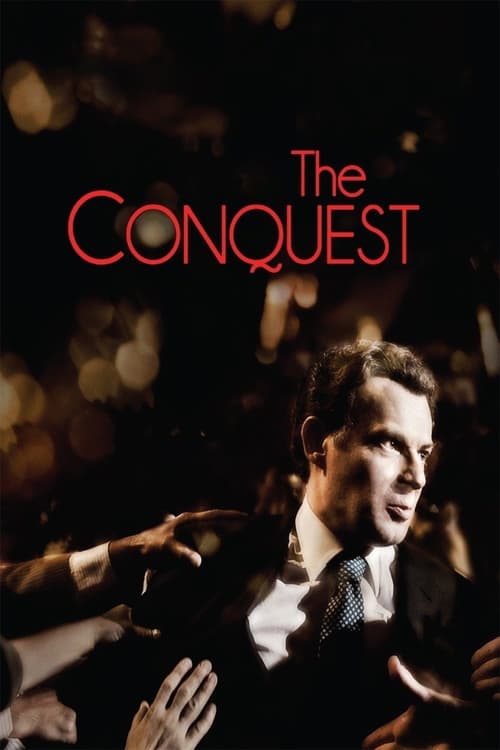
The Conquest
Plot
A look at French president Nicolas Sarkozy's rise to power.
Get the Weekly Woke Watchlist
New and trending movies scored for woke bias, preachy messaging, and forced political themes — before you waste your evening.
No spam. One useful email per week.
Overall Series Review
Categorical Breakdown
The narrative focuses entirely on the political ambition and personal struggles of a cast composed of historically authentic, prominent white male and female French politicians and their spouses. Character motivation and conflict are driven by political maneuvering, personal rivalry, and ambition. The film contains no themes of intersectional hierarchy, vilification of 'whiteness,' or forced insertion of diversity, adhering to a universal meritocracy lens based on political will.
The film satirizes and criticizes the contemporary political class in France, particularly its over-reliance on personality and media spin, calling the political system a tawdry contest. The critique is directed at the *practice* of politics and the political establishment, not an indictment of French culture, civilization, or national heritage itself. References to domestic crises like the 2005 riots are treated as background details to showcase the protagonist's political style, not as evidence of systemic national corruption.
The main dramatic tension centers on the breakdown of a traditional marriage, with the male protagonist's political conquest occurring simultaneously with the loss of his wife. Cécilia is depicted as a powerful, influential spouse who helps craft her husband's public image but ultimately leaves him for a lover. Sarkozy is shown as a tetchy, narcissistic, and insecure man of power. This portrayal focuses on the high personal cost of ambition, but the influential female role and the negative depiction of the primary male lead prevent a 'Complementarianism' score, without going as far as an overt 'Girl Boss' lecture or explicit anti-natal messaging.
The story's core conflict is a traditional heterosexual political and marital drama. The entire focus remains on the relationship between Nicolas and Cécilia Sarkozy and their extra-marital affairs. The film does not center alternative sexualities, deconstruct the nuclear family as an oppressive structure, or engage with contemporary gender ideology.
The movie is a secular political biopic focused on the Machiavellian nature of power, public relations, and intra-party rivalry. The narrative and dialogue contain no hostility toward religion, specifically Christianity, nor does it engage in debates about objective truth or moral relativism. The ethical framework is purely secular and based on political success versus personal failure.
Get the Weekly Woke Watchlist
New and trending movies scored for woke bias, preachy messaging, and forced political themes — before you waste your evening.
No spam. One useful email per week.