Rabbit Horror
Plot
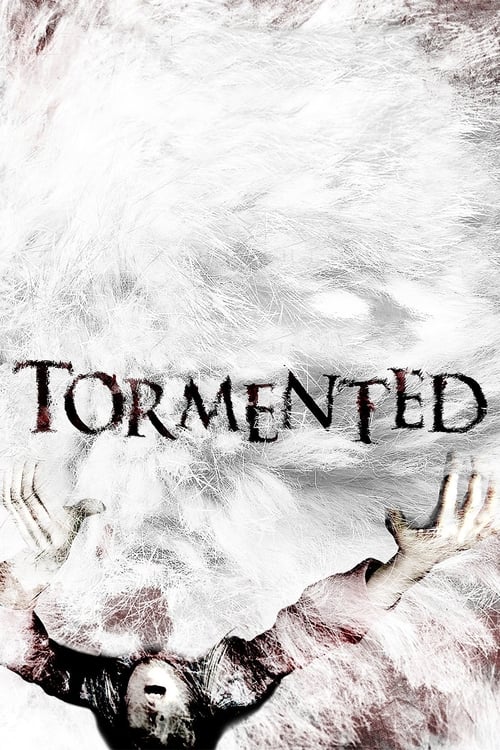
To his mute sister's dismay, a young boy puts a dying rabbit out of its misery with a brick -- and soon the siblings end up in a world of nightmares.
Get the Weekly Woke Watchlist
New and trending movies scored for woke bias, preachy messaging, and forced political themes — before you waste your evening.
No spam. One useful email per week.
Overall Series Review
Categorical Breakdown
The story is a psychological horror focused on an immediate family unit and personal trauma. The characters’ arcs are driven by individual guilt and psychological state. There is no presence of intersectional theory, race-swapping, or focus on immutable characteristics to dictate character merit or a social hierarchy lecture.
The setting is a contemporary Japanese family home, and the horror stems from internal, personal psychological breakdown and guilt, not from a systemic critique of Japanese culture or civilization. The narrative does not demonize ancestors or core institutions; it is a story of a single, dysfunctional family.
The female lead, Kiriko, is the protective, active protagonist whose driving force is the bond with her brother, but she is deeply flawed and traumatized, which negates the 'Mary Sue' trope. The father is depicted as detached and self-absorbed in his grief, which places a burden on the daughter, but the central focus of the tragedy is related to childbirth and subsequent death, which is an inverted use of anti-natalism; the trauma is a result of a natal event, not a message that motherhood is a 'prison'.
The narrative is centered entirely on a traditional family unit (father, daughter, half-brother) and its past and present traumas. The film does not feature or focus on alternative sexual identities, gender theory, or the deconstruction of the nuclear family.
The horror is rooted in psychological turmoil, personal guilt, and surrealism. As a Japanese horror film, the supernatural elements are cultural or psychological, and the movie contains no overt or implied hostility toward organized religion or any theological discussion of morality.
Get the Weekly Woke Watchlist
New and trending movies scored for woke bias, preachy messaging, and forced political themes — before you waste your evening.
No spam. One useful email per week.