13 Reasons Why
Season 1 Analysis
Season Overview
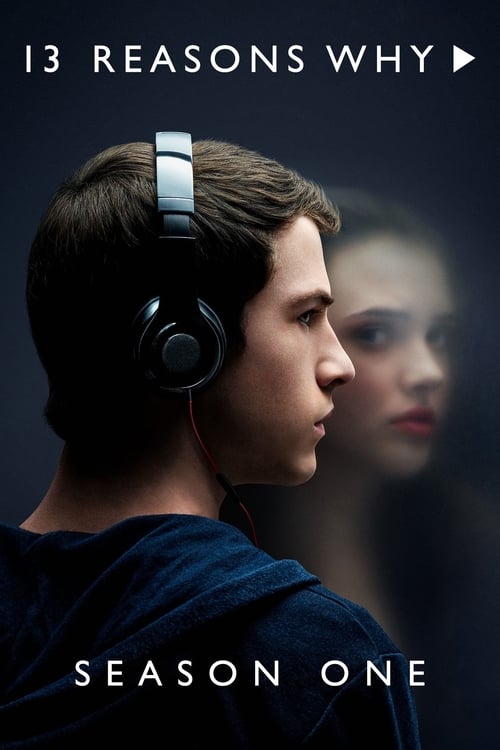
After a teenage girl's perplexing suicide, a classmate receives a series of tapes that unravel the mystery of her tragic choice.
Season Review
Categorical Breakdown
The core of the conflict centers on a dichotomy between privileged perpetrators and marginalized victims. The principal villain, Bryce Walker, is a wealthy white male athlete whose status and privilege shield him from immediate consequences, aligning with the vilification of a 'privileged' archetype. The cast is diverse, featuring characters of color in both main and supporting roles, which is a purposeful inclusion, though the central conflict is universal and not explicitly an intersectional lecture on race in this season. The narrative focuses more on a class and gender power hierarchy.
The school administration is repeatedly shown to be incompetent, indifferent, or more concerned with liability than student safety. Parents, a primary Western institution, are largely portrayed as either absent, clueless, or ineffective at providing the necessary guidance and protection, leading to the total breakdown of the community's social structure. The home and community environment is framed as fundamentally unsafe, failing the youth by shielding toxic individuals and ignoring cries for help, reflecting hostility toward local, immediate, Western-based institutions.
The entire premise of the show is a sustained condemnation of male behavior. The protagonist's suicide is directly attributed to an environment of male objectification, slut-shaming, and sexual assault, which is framed as 'rape culture' rooted in toxic masculinity. The primary antagonists are toxic males, aligning with the view that 'Men are bumbling idiots or toxic.' The main character is a victim, not a 'Girl Boss,' which keeps the score from an absolute 10, but the narrative functions as a lecture on systemic male toxicity.
Alternative sexualities are a significant part of the supporting cast and plot, demonstrating a deliberate inclusion that centers these identities. The character Tony is openly gay, and the character Courtney is a closeted lesbian whose primary conflict and toxic actions stem directly from her fear of her sexual identity being exposed, which also involves her two gay fathers and non-traditional family structure. This presence and centering of alternative sexualities and non-traditional family units pushes the score to a high level, although it does not overtly touch on gender ideology in this season.
The show establishes an entirely secular and moral-relativistic universe. There is no representation of faith or traditional religion (specifically Christianity) as a source of strength or moral guidance for any character. Morality is purely subjective; the 'truth' and 'judgment' are delivered by the deceased victim via her personal, subjective list of who is to blame. The search for justice and truth operates entirely within the secular confines of a school board hearing and personal conscience, reflecting a spiritual vacuum and moral relativism as the story's foundation.