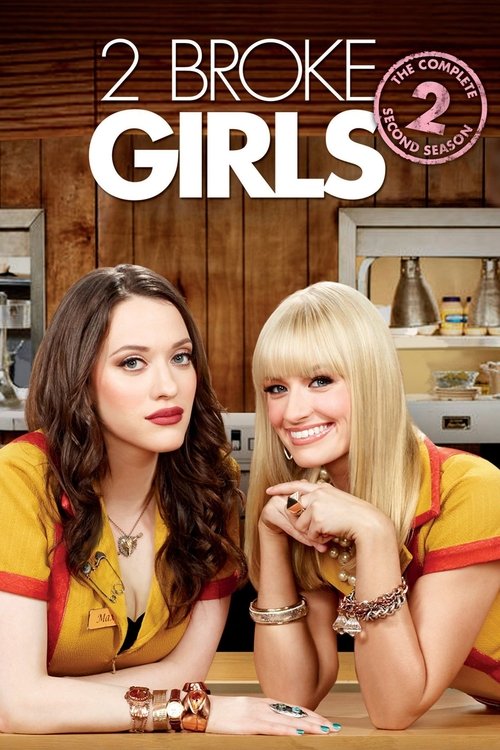
2 Broke Girls
Season 2 Analysis
Season Overview
Best friends Max and Caroline are still waiting tables in Brooklyn, but the future looks bright for their start-up business venture. There’s a boost from a famous television personality’s review of Max’s cupcakes, a lucky break in real estate, and a surprise influx of cash, resulting in the grand opening of Max’s Homemade Cupcakes! But success doesn’t happen overnight. There are rat droppings to be dealt with. Plus ex-boyfriends and a new flame. Not to mention long nights packing a pastry gun. And that eviction notice.
Season Review
Categorical Breakdown
The narrative relies heavily on crude ethnic and racial stereotypes for comedy rather than lecturing on systemic oppression. It mocks characters for their backgrounds indiscriminately and does not portray whiteness as a source of villainy.
The plot celebrates the pursuit of the American Dream and individual entrepreneurship. It portrays the characters' desire to move up the social ladder as a virtuous goal and shows no hostility toward Western civilization or its history.
Max and Caroline are independent leads who avoid 'Mary Sue' traits by being frequently incompetent and vulgar. However, the show routinely emasculates male characters, particularly the restaurant owner Han, who is the primary target of height and personality-based ridicule.
Sexual identity is used as a frequent source of raunchy humor and double entendres. The show includes gay characters but treats their sexuality as a punchline rather than a platform for gender theory or political activism.
The series is predominantly secular and lacks any significant spiritual or religious depth. While it does not aggressively attack the church, it treats religious faith as a quirky or eccentric character trait rather than a source of moral truth.