2 Broke Girls
Season 4 Analysis
Season Overview
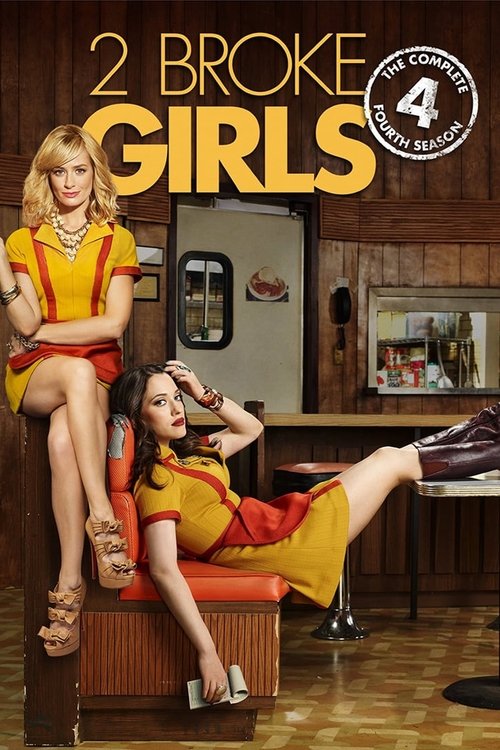
The comedic duo that goes together like cupcakes and frosting is back in business and more hilarious than ever! It’s season 4 of 2 Broke Girls where Max and Caroline, friends and roommates who work together at a Brooklyn diner, dish up sarcasm and smarts. They also have their own start-up business selling Max’s Homemade Cupcakes at the diner’s pop-up window, where they dish up the laughs. Lots and lots of laughs.
Season Review
Categorical Breakdown
Characters are defined by crude stereotypes and personal ambition. The script mocks everyone regardless of race or background, focusing on class struggles and individual merit over systemic grievances.
The story celebrates the hustle of starting a business in America. It satirizes the elitist and 'socially conscious' residents of Brooklyn, portraying their progressive ideals as a facade for pretension.
The protagonists are allowed to be vulgar, unsuccessful, and desperate. The show rejects the 'perfect' female lead trope and features male characters who are unapologetically masculine and crude without being 're-educated.'
Traditional norms are the standard, and alternative lifestyles are used as fodder for jokes rather than moral lessons. There is no emphasis on gender ideology or deconstructing the nuclear family.
The narrative does not attack Christianity or traditional values. Moral lessons are rare, and characters with religious backgrounds are treated as individuals with quirks rather than representatives of 'oppressive' systems.