2 Broke Girls
Season 6 Analysis
Season Overview
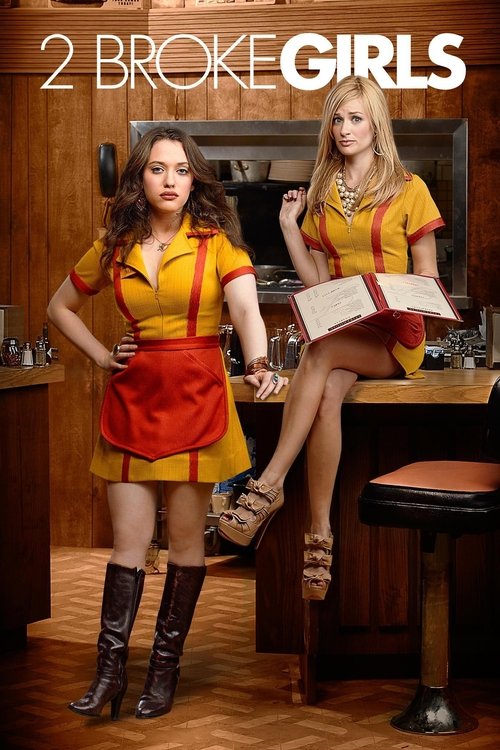
Sophie and Oleg welcome their baby daughter Barbara to the world. Randy returns to briefly continue his relationship with Max, but it does not work out. Randy wants Max to move to California, but Max, publicly acknowledging her strong friendship with Caroline for the first time, says she cannot do so because she has important people in her life now. Meanwhile, Caroline meets Bobby, a contractor who rebuilds the dessert bar after a storm, and the two start a relationship. By the end of the season, the movie about Caroline's life has been made (albeit with some "creative license" changes), but Caroline destroys a $10,000 on-loan dress at the premiere, which wipes out both her and Max's combined savings and returns them to "broke" status. Randy comes back to New York, this time permanently, and proposes to Max, who accepts
Season Review
Categorical Breakdown
The show relies heavily on racial stereotypes and crude ethnic humor, particularly regarding Han and Earl. It mocks the concept of political correctness and treats characters as individuals capable of trading insults regardless of their background. There is no attempt to frame the characters' poverty as a result of systemic identity-based oppression.
The narrative is driven by the desire to achieve the American Dream. Max and Caroline are entrepreneurs who, despite their setbacks, continue to work within the existing economic system. There is no hostility toward Western values; instead, the show celebrates the hustle and grit required to succeed in New York City.
While the leads are independent women, they are depicted as deeply flawed and frequently unsuccessful. The season avoids the 'Girl Boss' trope by showing them constantly facing the consequences of their poor decisions. The storyline features a pro-natalist arc with Sophie and Oleg becoming parents, and Max's character arc concludes with a traditional marriage proposal.
The season focuses primarily on heterosexual relationships and the formation of a nuclear family. While the show features occasional gay characters or references, they are subjects of the same raunchy humor as everyone else. The plot does not center on queer theory or the deconstruction of traditional gender roles.
Religion is occasionally the subject of jokes, particularly Sophie’s Polish Catholicism, but it is not framed as an oppressive or evil force. The show lacks a dedicated anti-religious agenda and generally ignores spiritual themes in favor of secular, grounded humor.