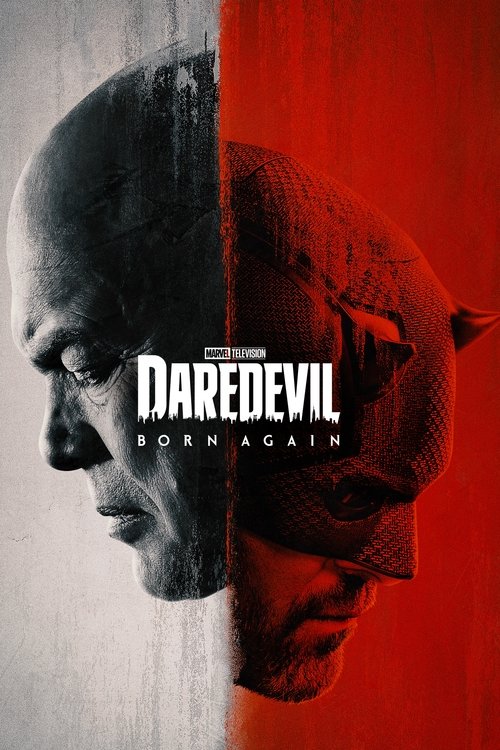
Daredevil: Born Again
Season 1 Analysis
Season Overview
It has been a year since Matt Murdock retired from crime fighting as Daredevil. Wilson Fisk has been elected mayor of New York City after running on an anti-vigilante platform. The Kingpin may force Daredevil to come out of retirement.
Season Review
Categorical Breakdown
The production utilizes race-swapping for established legacy characters such as Vanessa Fisk and Heather Glenn. The plot prioritizes themes of systemic institutional failure and intersectional struggle over individual merit, using the legal system as a backdrop for lectures on privilege.
Law enforcement is frequently depicted as a source of brutality and corruption. The narrative frames the supporters of the antagonist as a dangerous and irrational mob, mirroring real-world political caricatures to critique domestic civic movements.
Female leads are positioned as the moral and emotional guides for a broken and impulsive male protagonist. While avoiding the most extreme 'Girl Boss' tropes, the show relies on the dynamic of the stable woman correcting the flawed man.
Representation is present in the supporting cast but does not dominate the central narrative. The show avoids overt lecturing on gender ideology or the active deconstruction of traditional family units.
The series respects the protagonist's religious identity. Catholicism is portrayed as a legitimate source of moral clarity and strength, providing a rare example of a hero seeking transcendent truth in a modern production.