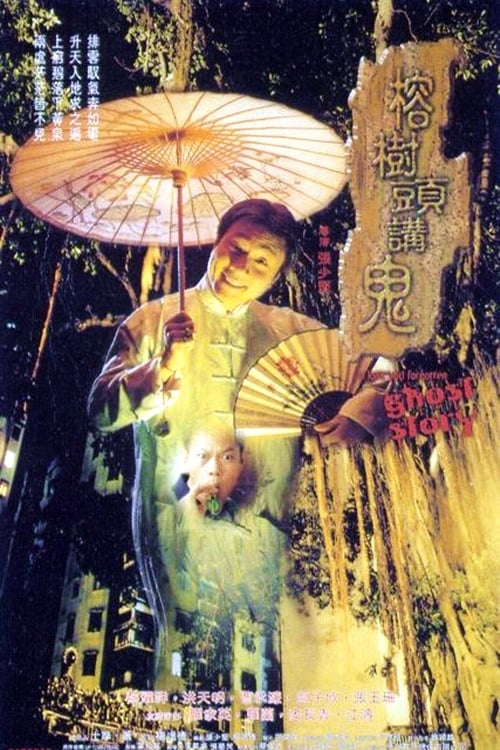
A Long and Forgotten Ghost Story
Plot
A millionaire's son falls in love with a disreputable prostitute, but their romance is forbidden by his father. After the son dies in an accident, his restless spirit still yearns for his forbidden love.
Get the Weekly Woke Watchlist
New and trending movies scored for woke bias, preachy messaging, and forced political themes — before you waste your evening.
No spam. One useful email per week.
Overall Series Review
Categorical Breakdown
The central conflict is based purely on historical class and social standing (millionaire’s son vs. prostitute). The drama stems from the 'feudal era's' rigid social structure, not from race, immutable characteristics, or intersectional hierarchy. The casting is culturally authentic to its Hong Kong/Chinese context. Character merit, specifically the purity and enduring nature of the love, is the ultimate measure of the protagonists.
The narrative criticizes the rigid, unforgiving social system of a past 'feudal era,' not 'Western civilization' or 'Western home culture.' The film’s moral lesson is one of appreciation for enduring love and fidelity, which aligns with foundational conservative values. The ghost story and its resolution uphold the value of personal connection and commitment across time.
The score is slightly elevated because the modern female lead, Sue, is framed negatively for pursuing her career (a beauty pageant) to the detriment of her male relationship. The narrative uses the ghost's transcendent love story to guide her back to valuing her partner and commitment, implicitly viewing motherhood and traditional relationship roles as the higher fulfillment over an independent 'career' goal.
The primary relationships, both historical and modern, are heterosexual male-female pairings. The central theme is the tragic fidelity between a man and a woman. There is no deconstruction of the nuclear family or introduction of alternative sexual/gender ideologies. Sexuality is presented as a private matter relevant only to the central romance.
The movie is a ghost story that incorporates spiritual elements, specifically featuring a Taoist priest (Fa Shi) as a functional, traditional character to manage the ghost. This does not display hostility toward religion. The film's moral is about the transcendent nature of love, which points toward an objective truth in human connection, not moral relativism.
Get the Weekly Woke Watchlist
New and trending movies scored for woke bias, preachy messaging, and forced political themes — before you waste your evening.
No spam. One useful email per week.