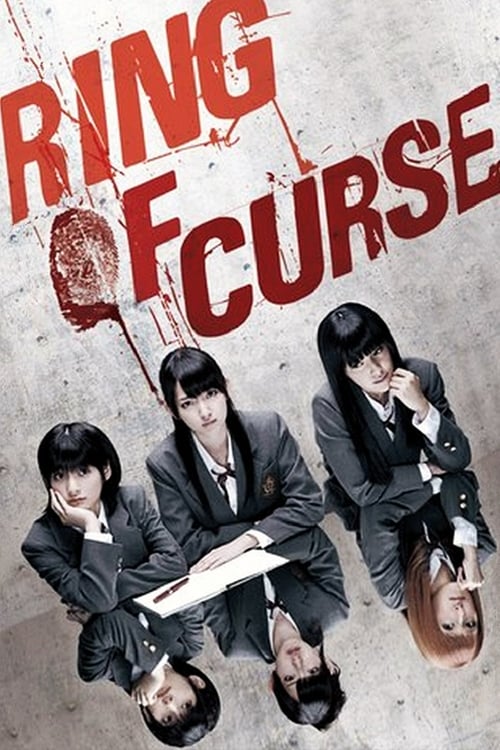
Ring of Curse
Plot
In observing a solitary classmate, a student begins to suspect that the loner has the ability to write words that will kill those who read them.
Get the Weekly Woke Watchlist
New and trending movies scored for woke bias, preachy messaging, and forced political themes — before you waste your evening.
No spam. One useful email per week.
Overall Series Review
Categorical Breakdown
The story takes place in Japan and features an entirely ethnically Japanese cast, eliminating any possibility of 'race-swapping' or the vilification of 'whiteness.' The central conflict is the universal issue of social ostracization and bullying based on appearance and behavior, not an intersectional hierarchy of immutable characteristics or privilege/oppression based on race.
The film’s focus is a critique of contemporary Japanese social problems: school bullying, neglectful parenting, and the negative impact of online culture on the youth. This is an internal critique of social dysfunction, not an attack on Japan's civilizational heritage, ancestors, or institutions. The horror is rooted in local, modern anxieties, not a deconstruction of the nation's spiritual or historical foundation.
The main characters, both the victim/villain Kurohane and the protagonist Yuka, are female students. The antagonist bully is also female. The narrative involves themes of female oppression and the monster/avenger trope, where a woman is driven to evil by societal mistreatment, which aligns with some critical feminist themes. However, there is no emasculation of male characters as they are barely present, and Kurohane is a deeply flawed victim, not a 'perfect' Girl Boss. Motherhood is only shown in the negative light of neglectful parents.
The plot is a straightforward supernatural school horror story focused on a literary curse and revenge against bullies. The film makes no references to alternative sexualities, gender identity, or queer theory. The central family unit is traditional, although deeply dysfunctional, and is not actively deconstructed or framed as oppressive.
The supernatural element is a secular-style curse and a literary act of vengeance, not a direct attack on an organized faith, especially Christianity. The conflict is between students and a supernatural force, not between organized religion and moral relativism. Moral judgment is absolute: cruelty and neglect are evil, leading to a curse.
Get the Weekly Woke Watchlist
New and trending movies scored for woke bias, preachy messaging, and forced political themes — before you waste your evening.
No spam. One useful email per week.