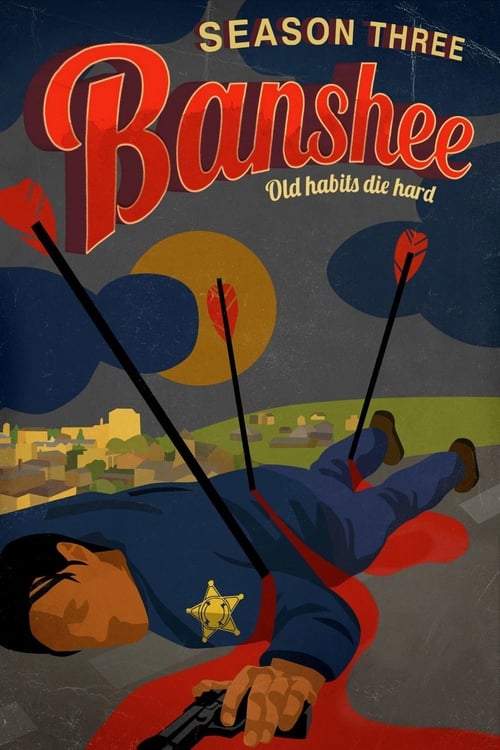
Banshee
Season 3 Analysis
Season Overview
No specific overview for this season.
Season Review
Categorical Breakdown
Characters succeed or fail based on their own strength and choices. The story treats racial groups as factions in a power struggle rather than victims of a system. A former skinhead's attempt to join the police force is treated as a personal quest for redemption through hard work and merit.
The show portrays small-town Pennsylvania as a place worth fighting for. While there is crime, the institutions of law and family are presented as the only shields against total chaos. There is no suggestion that Western culture or American traditions are fundamentally broken.
Female characters are tough and dangerous, but they do not emasculate the men around them. Men are depicted as warriors and protectors. The narrative acknowledges the physical differences between the sexes while showing both can be equally lethal and dedicated to their families.
The character Job is a cross-dresser who is also a master thief and combatant. His identity is treated as a personal trait rather than a platform for political activism. The show does not deconstruct the nuclear family; instead, it shows how much characters suffer when their families are destroyed.
Religion is depicted as a source of community and personal history. While some characters have left their faith, the show does not treat Christianity or the Amish way of life as an inherent evil. Characters follow clear, objective rules of loyalty and honor.