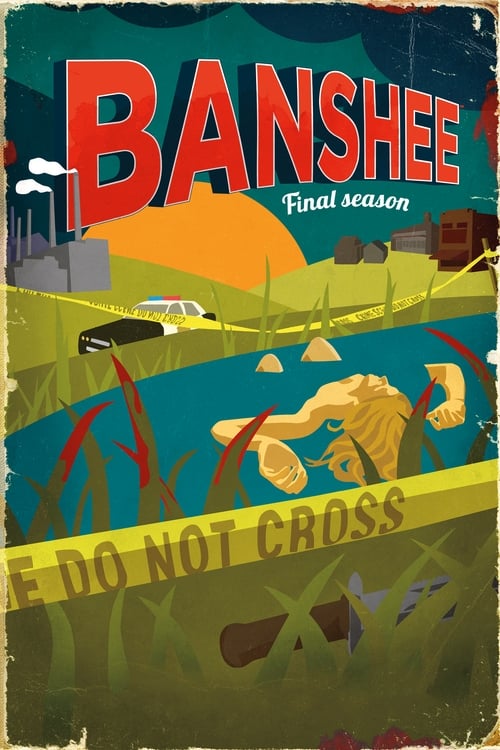
Banshee
Season 4 Analysis
Season Overview
No specific overview for this season.
Season Review
Categorical Breakdown
A neo-Nazi organization serves as a primary antagonist group, framing racial extremist groups as the central source of local rot. However, the story emphasizes the redemption of an individual ex-member, focusing on personal growth rather than collective racial lecturing.
Small-town America is portrayed as a site of significant corruption, crime, and moral decay. The narrative focuses on the failures of local authority and the internal rot of the community rather than presenting the town as a symbol of civilizational pride.
Female characters are depicted as highly skilled fighters and autonomous professionals who frequently face men in physical combat. These characters are not presented as perfect, as they suffer realistic injuries and live with the severe consequences of their violent lifestyle choices.
A central protagonist is a flamboyant drag queen and master hacker whose lifestyle is integrated as a standard character trait. While the character has depth and competence, his presence represents a significant departure from traditional normative standards in the action genre.
Traditional religion is represented through a restrictive Amish community that characters feel compelled to abandon. The primary evil in the season is a ritualistic Satanic cult, framing spirituality mostly through themes of oppression or extreme depravity.