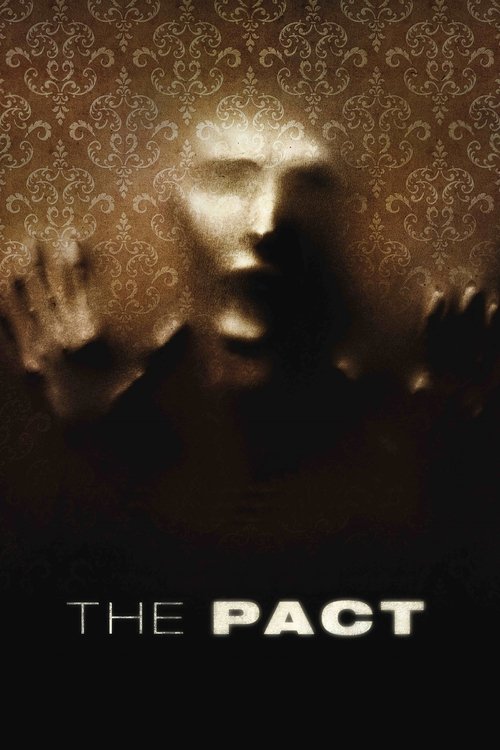
The Pact
Plot
After their mother passes away, sisters Nicole and Annie reluctantly return to their childhood home to pay their last respects. While staying overnight in the house, the sisters sense a mysterious presence in their midst: noises startling them in the night, objects moving about, a fallen picture of an unknown woman posed next to their mother. Annie begins experiencing a series of intense and disturbing dreams - visions that lead her to uncover something terrible about her mother's past that is finally revealing itself.
Get the Weekly Woke Watchlist
New and trending movies scored for woke bias, preachy messaging, and forced political themes — before you waste your evening.
No spam. One useful email per week.
Overall Series Review
Categorical Breakdown
The film does not focus on intersectional identity characteristics such as race or class as a driver of the plot. Characters are defined by their personal moral choices, like the protagonist’s refusal to abandon her family or the villain’s personal history of murder. The antagonist’s evil is framed as familial and psychological, not as a commentary on systemic 'whiteness' or privilege.
The central conflict revolves around the childhood home being a site of extreme abuse and hidden evil, with the mother figure being demonized for her actions in concealing a serial killer. This deconstructs and vilifies the specific nuclear family unit and its heritage. However, the destruction of this specific bad home does not expand into a critique of broader Western institutions or ancestors in general.
The protagonist, Annie, is the ultimate agent of change. She is a tough, determined 'free spirit' who solves the mystery that baffles the police, confronts the male killer single-handedly, and triumphs. Key male figures, including the detective who tries to help, are either incompetent or murdered. This central dynamic showcases a high degree of female competence and leadership. The ending, however, features the protagonist choosing a role of protective motherhood by adopting her niece, which moves away from a pure anti-natalist message.
The core relationships and structure revolve around the traditional family unit, albeit a broken one. Sexual identity and orientation are not factors in the story's plot or character development. The narrative contains no themes or lectures related to gender theory, alternative sexualities, or the deconstruction of the nuclear family beyond showing a single highly dysfunctional example of one.
The serial killer character is nicknamed 'Judas,' which is a negative biblical allusion, but the character is presented as a secular maniac, not as a vehicle for attacking organized religion. A supernatural element is present, with a ghost helping the protagonist achieve justice, which upholds a belief in a spiritual realm and objective morality. Good and evil are clearly defined by the acts of murder, abuse, and protection, aligning with an objective moral law.
Get the Weekly Woke Watchlist
New and trending movies scored for woke bias, preachy messaging, and forced political themes — before you waste your evening.
No spam. One useful email per week.