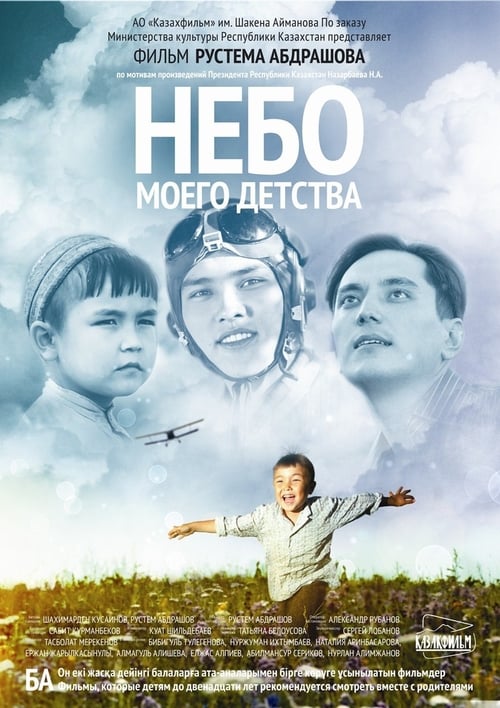
The Sky of My Childhood
Plot
The story of a boy whose childhood fell on the difficult war and post-war years. The film will tell about the formation of personality, character, attitude of the child, about the first disappointments, about the birth and realization of his dreams.
Get the Weekly Woke Watchlist
New and trending movies scored for woke bias, preachy messaging, and forced political themes — before you waste your evening.
No spam. One useful email per week.
Overall Series Review
Categorical Breakdown
The narrative is a patriotic, state-sponsored biopic focused on affirming the character and cultural identity of a national leader. Characters are celebrated for meritocratic virtues like diligence and respect, with the goal being to instill pride in Kazakh national identity in the post-Soviet context, the direct opposite of intersectional vilification.
The film functions as a nation-building epic, which explicitly celebrates the national home culture, ancestors, and institutions. The narrative aims to instill pride in 'Kazakhness' and the leader's humble origins in a shepherd's family, rejecting any civilizational self-hatred.
The story centers on the male protagonist’s formation of character within a traditional, working-class family structure. There is no evidence of 'Mary Sue' or 'Girl Boss' tropes, emasculation, or anti-natalist messaging; the film's traditional, nationalistic genre celebrates complementary gender roles and the integrity of the family unit.
As a traditional, state-sponsored historical drama about a president's childhood in a Central Asian post-Soviet state, the film adheres to a normative structure. The plot does not feature any elements of alternative sexualities, deconstruction of the nuclear family, or gender ideology lecturing.
The film projects an image of modernity intricately bound to tradition, which in a post-Soviet Central Asian context often involves a return to or affirmation of traditional faith and moral law as a component of national identity. There are no indications of hostility toward traditional religion or an embrace of moral relativism.
Get the Weekly Woke Watchlist
New and trending movies scored for woke bias, preachy messaging, and forced political themes — before you waste your evening.
No spam. One useful email per week.