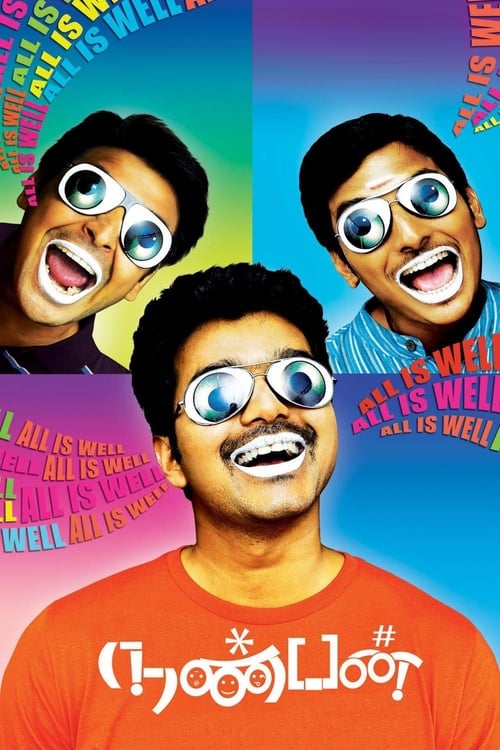
Nanban
Plot
The plot of the film illustrates the embankment of two friends on a quest for a lost buddy, who was once an optimistic and successful student. On their journey, they recount their college life and special moments that the three shared up until their lost friend secretly parted ways after convocation. During their quest, the two encounter a rival classmate who once made a long forgotten bet with them, a funeral that goes impossibly out of control, and a wedding they must crash.
Get the Weekly Woke Watchlist
New and trending movies scored for woke bias, preachy messaging, and forced political themes — before you waste your evening.
No spam. One useful email per week.
Overall Series Review
Categorical Breakdown
The narrative focuses intensely on a universal meritocracy, where character is judged by the content of one's soul and true skill rather than academic grades. The central conflict is between a humanistic approach to education and a rigidly competitive system, not a lecture on privilege or systemic oppression based on immutable characteristics. Characters are defined by their economic background and personal ambition, which is a class critique, but the story elevates the pursuit of passion over all other considerations.
The film’s critique is aimed specifically at the unimaginative and exploitative nature of a particular educational institution and the parental/societal pressures it fosters. This is not a deconstruction of the entire home culture or a demonization of ancestors. Instead, the story advocates for reforming an institution to promote a better future for its youth, viewing friendship and genuine learning as shields against chaos and conformity.
The core of the story revolves around the bond between three male friends and their personal and educational struggles. The main female character functions primarily as a love interest for the protagonist and a source of emotional support. The presentation of gender dynamics is traditional, with the focus on the protective and self-discovering journey of the men, and there is no evident 'Girl Boss' or anti-natalist messaging.
The plot centers on a traditional male-female relationship and the enduring bond of male friendship. Alternative sexualities and deconstruction of the nuclear family are absent from the central narrative. The film adheres to a normative structure without any lecturing or political commentary on sexual or gender theory.
The conflict in the movie is almost entirely secular, dealing with the problems of the modern education system. The film actively promotes an objective, transcendent morality based on optimism and following one's passion—the mantra 'All Is Well' encourages belief in a higher, positive outcome based on hard work and sincerity. Traditional religion is neither vilified nor portrayed as the root of evil.
Get the Weekly Woke Watchlist
New and trending movies scored for woke bias, preachy messaging, and forced political themes — before you waste your evening.
No spam. One useful email per week.