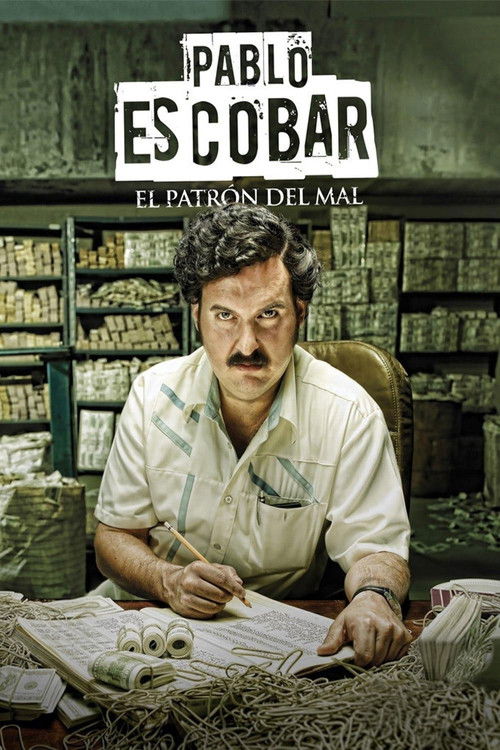
Pablo Escobar: The Drug Lord
Season 1 Analysis
Season Overview
No specific overview for this season.
Season Review
Categorical Breakdown
The casting is historically authentic to the Colombian setting, featuring Colombian actors telling a national story. Characters' worth is defined entirely by their actions as heroes, victims, or ruthless criminals, not by a hierarchy of immutable characteristics or racial grievance. The struggle is one of criminality versus law, not systemic racial oppression in the contemporary political sense.
The series harshly critiques the corruption and ineffectiveness within the Colombian state and its institutions, which is historically accurate to the period. However, it simultaneously elevates and honors the sacrifices of the honest national heroes, such as the journalists, judges, and politicians who died fighting the cartel. This is a narrative of honoring patriots and confronting national tragedy, not civilizational self-hatred.
The core gender dynamic is a traditional, often toxic, patriarchy revolving around Escobar, a serial adulterer, and his total control over his family. His wife and mother are central figures, and the tragic consequences for the families of his victims (like the politician's wife) are emphasized. The plot does not feature 'Girl Boss' tropes or emasculate male figures in general; the men are either powerful criminals or powerful figures of the law. Motherhood and family are treated as valuable structures that are devastated by crime.
The narrative focus is strictly on the heterosexual, violent, and political world of the Medellín Cartel. The primary family unit is the nuclear family, which Escobar works obsessively to protect, despite his infidelities. There is no presence of alternative sexual identity being centered or used as a political tool, nor any discussion of gender ideology.
The series title is 'The Drug Lord' or 'The Boss of Evil,' establishing a clear moral line where Escobar and his associates represent objective evil. The narrative upholds the law, justice, and the sacrifices of the righteous as a higher moral good. There is no evidence of anti-Christian or anti-religious rhetoric; the core conflict is framed as a battle with a moral and spiritual vacuum of criminality.