Arrow
Season 1 Analysis
Season Overview
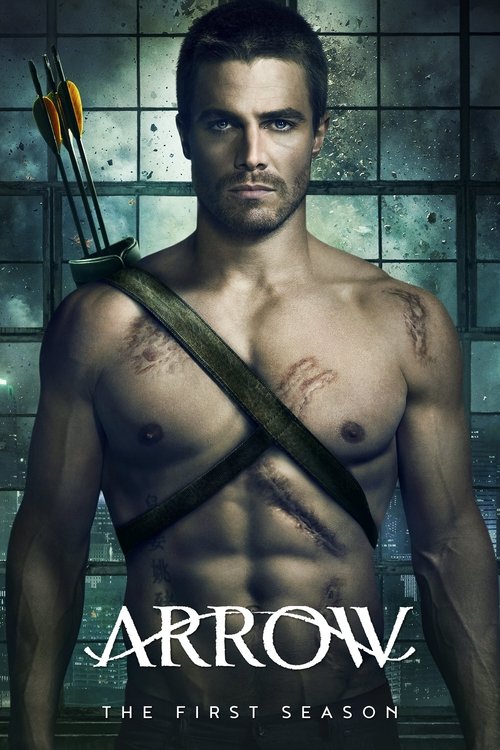
Oliver Queen returns to Starling city after being deserted on a hellish island for five years. He decides to become a mask wearing vigilante to fulfil his father's wishes and rid the city of crime. In his journey to do so, he is forced to make tough decisions even as he makes new friends and even more enemies which continue question his lethal ways of controlling crime.
Season Review
Categorical Breakdown
The narrative's central conflict is the critique of 'greedy billionaires' and the corrupt Starling City elite who exploit the poor, which frames the wealthy (mostly white) establishment as the source of societal evil. The vigilante justice is directed primarily at this class. However, the protagonist is a wealthy white male, and his Black ally, John Diggle, is portrayed as a strong, competent soldier and moral center of the team, preventing the narrative from vilifying white males entirely or relying on intersectional hierarchy.
The central mission is for the protagonist to right the wrongs of his own family and the 'civilizational' power structure of his home city. His father's confession reveals their family's fortune was built on the suffering of others, painting the Queen legacy as fundamentally corrupt. This directly targets the family institution and city establishment as sources of failure and corruption, but the hero's ultimate goal is to save the city, not abandon it entirely.
Female characters hold prominent roles as strong and capable figures; Felicity Smoak is an immediate genius in the STEM field, and Moira Queen is a powerful, manipulative mastermind. Laurel Lance is an intelligent lawyer dedicated to justice. However, these women are also frequently placed into damsel-in-distress roles and their character arcs are often tied to romantic relationships with the male lead, countering the full 'Girl Boss' trope. The male protagonist's masculinity and capability as a fighter and leader remain central.
The season is structured around traditional romantic dynamics, primarily a male-female love triangle involving Oliver, Laurel, and the presumed-dead Sara Lance. There are no explicit LGBTQ+ characters, themes, or public policy discussions in the first season, adhering to the traditional male-female normative structure of early 2010s network television.
The core morality of the series is secular, based on a humanistic quest for self-redemption and a human-created 'list' of wrongdoers rather than transcendent moral law. Oliver Queen's journey is one of self-made spiritual cleansing from his own failures and sins. Traditional religion is not overtly attacked or mocked, but it is entirely absent as a source of moral guidance or strength, placing the morality firmly in a subjective, man-made space.