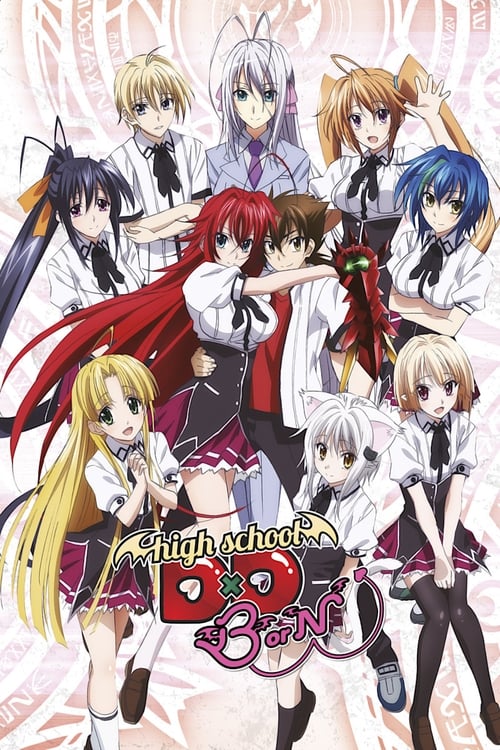
High School D×D
Season 3 Analysis
Season Overview
The babes and boys of the Occult Research Club are Back! Lovable loser (and bust buff) Issei and his clan of bewitching beauties return for a new season of supernatural tussles and sexy shenanigans—featuring old friends and new enemies! Now that all the girls live in Issei’s home, life seems like nothing but fun and scantily-clad lounging…for now! Join Rias, Akeno, Koneko, Asia, Xenovia, Gasper, and everyone’s favorite Harem King Issei as they fight, fumble, and fondle their way through their demonic high school lives.
Season Review
Categorical Breakdown
Characters advance based on personal merit, willpower, and supernatural strength. The show avoids racial quotas and ignores modern concepts of systemic oppression or intersectional hierarchy.
The narrative shows respect for ancestral lineages and the preservation of household traditions. It blends various global mythologies without demonizing any specific culture or civilization.
The story prioritizes the male gaze and traditional harem dynamics. Female characters are powerful fighters but find their primary fulfillment and motivation through their relationship with the male protagonist.
The focus remains entirely on a heterosexual harem structure. While one male character wears feminine clothing, it is treated as an individual character quirk rather than a lecture on gender theory or sexual identity.
Religious figures and entities are used as characters in a fantasy war. While the narrative subverts some biblical tropes, it maintains a clear distinction between good and evil rather than promoting moral relativism.