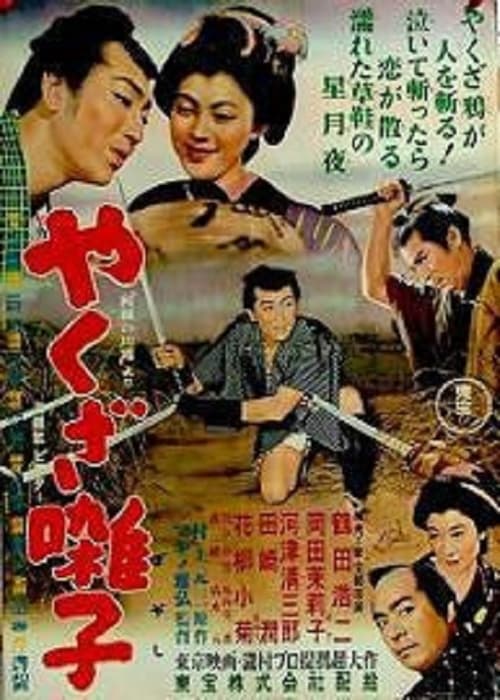
Yakuza bayashi
Plot
Makino Masahiro film starring Okada Mariko
Get the Weekly Woke Watchlist
New and trending movies scored for woke bias, preachy messaging, and forced political themes — before you waste your evening.
No spam. One useful email per week.
Overall Series Review
Categorical Breakdown
The film is set in historical Japan with an entirely Japanese cast, making modern intersectional vilification of 'whiteness' or forced diversity irrelevant. Character conflicts are determined by loyalty, honor, and position within the yakuza hierarchy, reflecting a system of merit (albeit criminal merit) and clear, rigid codes.
As a classic Japanese period piece in the yakuza genre, the story operates within a traditional framework. The focus is on internal corruption and conflict within the criminal world, not a broad condemnation or deconstruction of Japanese culture or its ancestors. There are no 'Noble Savage' tropes or depiction of outside cultures as spiritually superior.
Okada Mariko plays a significant role, but the film is rooted in the male-dominated structure of the yakuza world. Female characters typically fulfill complementary roles as the loyal wife, tragic love interest, or avenging sister. The primary narrative focus remains on masculine honor and conflict, without 'Girl Boss' tropes or anti-natalist messaging.
The genre and historical period of the film do not allow for the centering of alternative sexualities, queer theory, or an attack on the nuclear family. The structure is entirely normative and sexuality is private, playing no role in the primary conflict.
Yakuza films rely heavily on the internal moral codes of honor (giri) and human emotion (ninjō), which, while criminal, represent an objective moral law within the film’s world. The story involves the rituals and aesthetics of a traditional, non-Christianized setting, acknowledging a form of transcendent morality or spiritual code.
Get the Weekly Woke Watchlist
New and trending movies scored for woke bias, preachy messaging, and forced political themes — before you waste your evening.
No spam. One useful email per week.