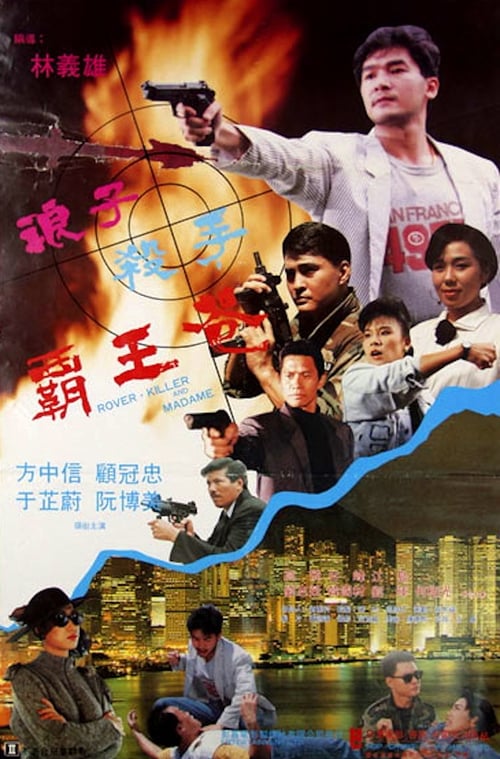
Killer Flower
Plot
A journalist photographs an assassin in the act of execution, but the assassin lets her go. The same thing happens again, and the assassin's gang question his motives.
Get the Weekly Woke Watchlist
New and trending movies scored for woke bias, preachy messaging, and forced political themes — before you waste your evening.
No spam. One useful email per week.
Overall Series Review
Categorical Breakdown
The central conflict centers on the assassin's shifting motives and his professional standing, not on any immutable characteristics. Character actions are judged by a universal code of morality within the underworld, indicating a non-intersectional, meritocratic lens.
The plot is a standard crime thriller focusing on internal gang dynamics and individual moral choice. There is no evidence suggesting the narrative attacks the home culture, deconstructs its heritage, or employs a 'Noble Savage' trope.
The lead female character is a professional journalist, an independent role. The narrative power dynamic, however, is controlled by the male assassin whose choice to spare her life drives the plot, which counters a pure 'Girl Boss' trope. No anti-natalist themes are present.
The synopsis focuses entirely on a male assassin, his gang, and a female journalist. No elements of alternative sexualities, gender ideology, or deconstruction of the nuclear family are present in the core premise.
The core of the drama is the assassin's conscience being pricked, evident in his repeated moral choice to let the journalist live. This struggle for motive implies a search for a higher moral law, not an embrace of moral relativism or an attack on traditional religion.
Get the Weekly Woke Watchlist
New and trending movies scored for woke bias, preachy messaging, and forced political themes — before you waste your evening.
No spam. One useful email per week.