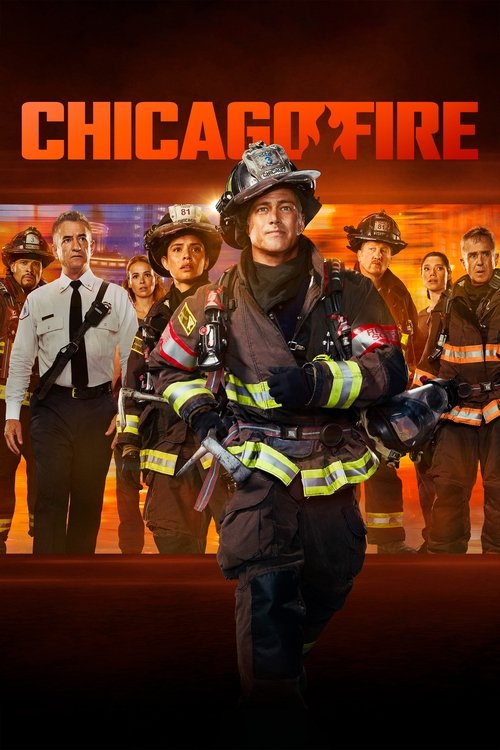
Chicago Fire
Season 14 Analysis
Season Overview
No specific overview for this season.
Season Review
Categorical Breakdown
The main procedural arc focuses on the vilification of a 'wealthy and influential real estate developer' and an investigation into a conspiracy of arson targeting 'low-income communities' to force redevelopment. This framing strongly aligns with narratives of systemic oppression and economic justice. The plot also includes a subplot where a Black student is unjustly suspected of arson by the principal, which is then investigated by the firehouse. The introduction of Sal Vasquez and his father's story about being a corrupt former police detective aligns with institutional critique, though the focus is on a specific corrupt individual.
The main conflict is against internal city bureaucracy, political cuts, and corporate greed, not Western civilization itself. The Firehouse 51 family acts as a bulwark against chaos and celebrates the institutions of community and the fire department. Herrmann's home destruction by fire is a personal tragedy, but the firehouse immediately rallies to support him, illustrating the institution as a 'shield against chaos' and celebrating the value of home and community.
Stella Kidd's arc continues her promotion to a larger leadership role and heavily features her 'Girls on Fire' program, which is a classic 'Girl Boss' trope. However, the season does not heavily emasculate the male characters; Severide, Herrmann, and Mouch all have significant, emotionally complex, and competent arcs. The anti-natalist score is mitigated by Kidd and Severide’s plot of actively seeking parenthood through fostering after suffering a miscarriage, showing a desire for family fulfillment alongside career.
The core of the show remains on traditional, established heterosexual relationships (Severide/Kidd, Herrmann/wife). A returning gay character, Ritter, is noted to be temporarily closing out his storyline, indicating an existing but not centered presence. There is no evidence in the core plot points of centering sexual identity as the most important trait, no overt promotion of gender ideology, and the nuclear family remains the normative structure for the main characters.
There is no evidence in the prominent season arcs of hostility toward religion or Christian characters being depicted as villains or bigots. The show operates on a clear, objective moral framework (saving lives is good; corruption and arson are evil) that aligns with transcendent morality, viewing heroism, duty, and self-sacrifice as virtues.