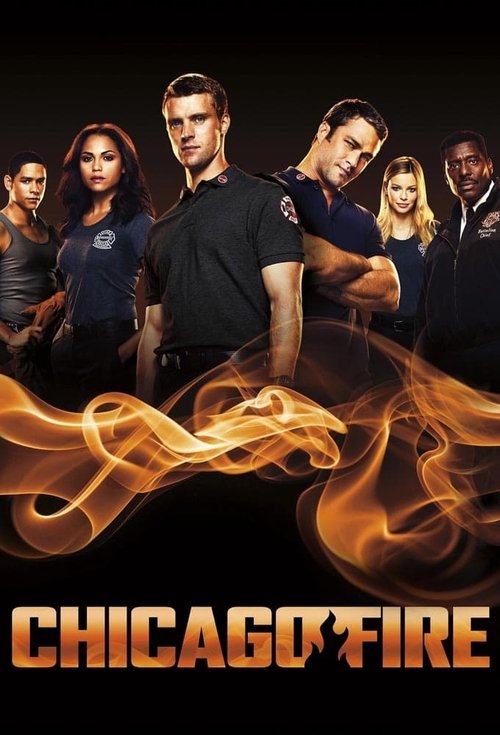
Chicago Fire
Season 3 Analysis
Season Overview
A devastating loss reshapes the crew and forces them to confront their own vulnerabilities. With new faces joining the ranks, Firehouse 51 must adapt to changing dynamics while staying focused on saving lives.
Season Review
Categorical Breakdown
Characters are judged primarily by their competence and their commitment to the Firehouse 51 family and the city. The cast reflects a modern urban environment with diverse characters, including Chief Boden as a respected Black leader and Gabriela Dawson as a Latina lead, but the narrative does not rely on race or immutable characteristics to lecture on systemic oppression. The focus remains on professional meritocracy.
The show is built around celebrating a core civic institution, the Chicago Fire Department, and the protective, heroic nature of its work. The firehouse is consistently framed as a stabilizing force and a 'family' that provides protection and community. There is no narrative hostility toward Western civilization, one's home, or ancestors; instead, the theme is one of community strength and service.
Female lead Gabriela Dawson pursues a demanding, traditionally male role as a firefighter, demonstrating the 'Girl Boss' aspiration. However, her struggles and personal life—including the emotional difficulty of caring for an abandoned baby—keep her grounded and prevent an instant 'Mary Sue' depiction. The narrative features strong career-focused women, but men are not broadly emasculated, and other storylines celebrate traditional family and impending fatherhood, presenting a mix of values.
The season-defining event is the death of lesbian paramedic Leslie Shay, which serves as a tragic plot catalyst, but the focus is on the emotional fallout and finding her killer. Her sexuality was previously portrayed as accepted by her colleagues and not a source of major conflict or lecture. The show normalizes her identity without centering the entire narrative on sexual ideology or deconstructing the nuclear family as a political act.
The show focuses on objective moral laws related to saving lives, sacrifice, and protecting the innocent. The core morality is transcendent, rooted in the duty and honor of the first-responder profession. There is no significant plotline that portrays traditional religion, specifically Christianity, as the root of evil, nor does the narrative explicitly embrace moral relativism.