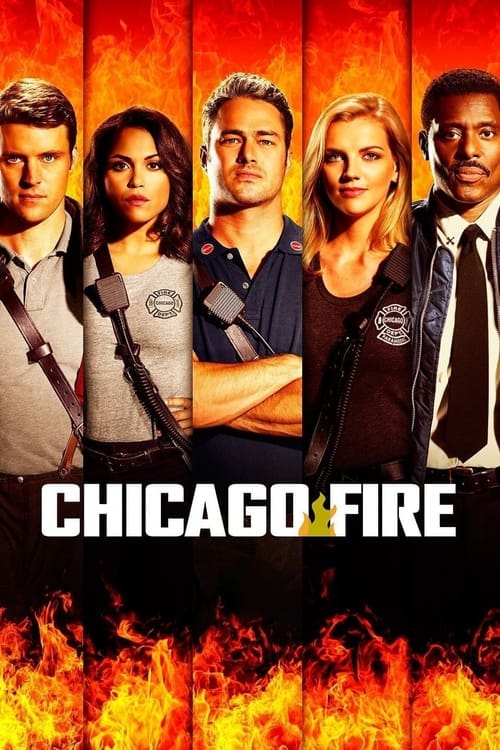
Chicago Fire
Season 5 Analysis
Season Overview
Love, loss, and sacrifice take center stage as the job grows more dangerous. Long-standing bonds are tested, and the team is forced to confront personal turning points that will shape their future.
Season Review
Categorical Breakdown
The firehouse is racially and ethnically diverse, which the show portrays as a reflection of a modern Chicago fire department. Diversity is a given for the ensemble but character conflicts and promotions are based on individual merit, professional ethics, and competence during emergency calls. The narrative does not utilize race or immutable characteristics to lecture on systemic oppression, nor are 'whiteness' or white males depicted as inherently evil or incompetent.
The show is a clear celebration of the Western institution of the fire service and the heroism of first responders. The characters, especially Chief Boden, consistently show deep loyalty and gratitude toward their institution and the community they serve. The firehouse acts as a chosen family and a shield against chaos, which directly aligns with the 'Gratitude & Chesterton's Fence' principle.
Female leads Gabriela Dawson, Sylvie Brett, and Stella Kidd are strong and competent professionals in demanding roles (paramedic/firefighter). The season's central arc for Dawson, however, is her overwhelming desire to gain permanent custody of her foster son Louie and her decision to marry Lieutenant Casey, placing traditional family formation and motherhood at the core of her story. Men are portrayed as flawed but capable heroes, not bumbling or toxic emasculated figures.
While the series includes non-heterosexual characters in its wider history, Season 5 does not center on alternative sexualities, gender ideology, or deconstructing the nuclear family. The focus remains heavily on the traditional male-female pairing of Casey and Dawson and their intense struggle to establish a nuclear family through adoption. Sexuality is present as part of personal life but is not used as a vehicle for political lecturing.
Faith is a quiet, non-antagonistic presence, represented by the recurring character of Chaplain Orlovsky, who acts as a source of strength and counsel for the firefighters. The plot's conflicts rely on objective moral truths—saving lives, professional duty, and seeking justice for victims. The show does not portray religious characters as bigoted or frame traditional religion as the root of evil.