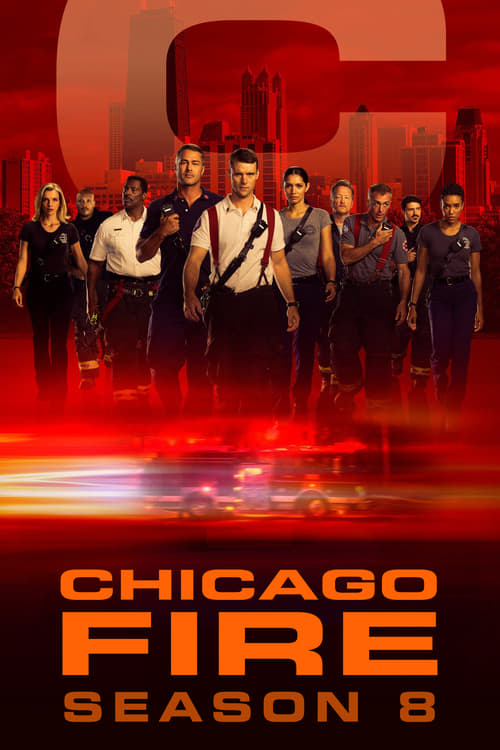
Chicago Fire
Season 8 Analysis
Season Overview
Disaster hits close to home, and Firehouse 51 must rebuild physically and emotionally. Amidst crisis and chaos, the firefighters continue to prove their courage and resilience.
Season Review
Categorical Breakdown
The narrative places its highest value on meritocracy and professional courage, such as the new firefighter being hired for taking a life-threatening risk. The core conflict is not systemic oppression but external threats, corruption, and the internal emotional fallout of grief. Diversity is present on the cast, but it does not become a lecturing plot point on privilege or intersectional hierarchy. A low-level tension with 'protesters' is introduced in one episode, but the focus remains on the firehouse defending itself as an institution of service.
The central theme is the heroic nature of Firehouse 51 and the first responder community, which are framed as shields against chaos and corruption. The crew actively investigates and shuts down dangerous operations like illegal chemical storage and corporate malfeasance, thus upholding the institutions of safety and justice. There is no deconstruction of Western heritage or framing of American culture as fundamentally corrupt.
Stella Kidd's arc is highly visible, featuring an overt push for female leadership as she attends an officer's conference, instructs at the fire academy, and creates a 'Girls on Fire' youth mentoring program. She is consistently depicted as exceeding the performance of her male peers, representing a 'Girl Boss' trajectory. The characters also create a 'women's-only lounge' in the firehouse. This emphasis on female professional superiority and separation pushes the score into the mid-range, though the male characters remain competent and generally supportive.
The main relational drama focuses entirely on traditional heterosexual pairings, including a major wedding storyline and a prominent romantic triangle. The subject of alternative sexualities or gender ideology is not a feature of the season’s central or subplots, maintaining a normative structure for the characters' personal lives.
Religion is absent from the major conflicts and themes. The characters' moral framework is based on a professional code of heroism, self-sacrifice, and loyalty to their crew and city, representing a secular, transcendent moral law of duty. There is no narrative hostility toward faith or demonization of religious characters.