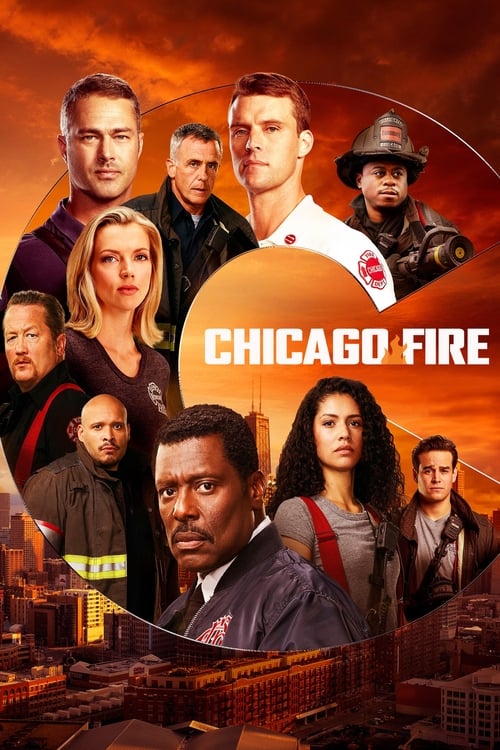
Chicago Fire
Season 9 Analysis
Season Overview
A global pandemic adds pressure to an already demanding job. With protocols shifting and stakes higher than ever, the team adapts while still putting everything on the line.
Season Review
Categorical Breakdown
A visible effort is made to increase intersectional diversity through the casting of new and recurring paramedics (Gianna Mackey, Violet Mikami) and the continued focus on Black characters like Ritter and Boden. The narrative generally prioritizes character merit and duty over race-based lecturing, but the clear push for diversity and the inclusion of minor social issue plots (e.g., helping a candidate with a criminal past) elevate the score above a pure meritocracy.
The show is built on the core values of heroic first responders, portraying the Chicago Fire Department and Firehouse 51 as a virtuous, functional, and life-saving institution. Characters display deep loyalty to their city, their profession, and their colleagues, which acts as a strong affirmation of societal institutions and professional duty. There is no deconstruction of Western heritage or framing of the home culture as fundamentally corrupt.
The score is elevated due to the significant focus on the 'Girl Boss' trope, specifically Stella Kidd’s successful ascent to Lieutenant and her admirable yet hyper-focused 'Girls on Fire' program. This narrative promotes a career-as-ultimate-fulfillment message for the female lead. However, the concurrent and positive storyline of Joe Cruz and his wife preparing for a baby provides a strong counter-balance that celebrates motherhood and the nuclear family, mitigating a higher score.
The inclusion of Darren Ritter, an openly gay, Black firefighter, as a main cast member provides a normalized presence of a non-normative sexuality. His personal storyline centers on standard relationship drama (a breakup and new dating attempts), which treats his sexuality as a private and accepted part of his character rather than a source of political controversy or a platform for gender ideology lecturing. The content is present but not prioritized or centered.
There is no evidence of anti-theistic messaging or a plot that frames traditional religion, especially Christianity, as a root of evil. A minor, lighthearted plot point involves Chief Boden's frustration with a parking spot-stealer who turns out to be a nun, treating religion as a neutral part of everyday Chicago life. The show's focus on duty and self-sacrifice implicitly aligns with objective, transcendent morality rather than moral relativism.