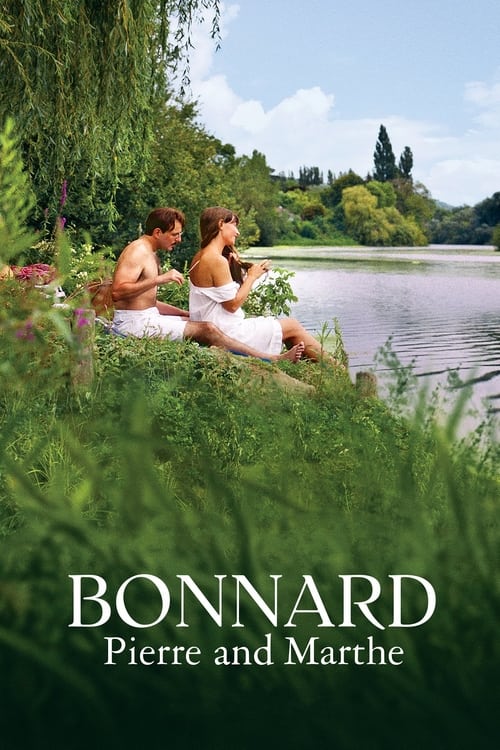
Bonnard, Pierre and Marthe
Plot
When French painter Pierre Bonnard met Marthe de Méligny, he didn’t know this self-proclaimed aristocrat would become the cornerstone of his life and work. From this moment, she became more than just a muse for the “painter of happiness”, appearing in more than a third of his work. Together, they reached their artistic fulfillment thanks to a colourful love, different from the standards of their time, nurturing the great mystery around their relationship. Based on a true story.
Get the Weekly Woke Watchlist
New and trending movies scored for woke bias, preachy messaging, and forced political themes — before you waste your evening.
No spam. One useful email per week.
Overall Series Review
Categorical Breakdown
The film is a historical biopic set in France and features a cast that is historically and geographically authentic to the French setting and period. The conflict focuses on character, class (Marthe fabricates an aristocratic background), and gender dynamics, not on race or intersectional hierarchy. The narrative is centered on merit in art and the character's intrinsic nature.
The film depicts the couple's life as a 'free world' and an 'epicurean oasis' that is achieved by deliberately rejecting 'bourgeois trappings,' which represents a form of self-directed cultural rebellion. This critique is aimed at the restrictive social conventions of French society at the time rather than a condemnation of core Western institutions like liberty or nation. The story respects the world of French art and ancestors like Monet, placing the score at a moderate level of cultural criticism.
Marthe is presented as the true subject and 'main character,' a spirited woman who moves beyond being a mere muse to become an artist herself. The narrative makes a case for her under-appreciated talent. Pierre supports this 'Girl Boss' trajectory, taking on domestic responsibilities so she can focus on her painting. Pierre initially forbids Marthe from getting pregnant, positioning a career/artistic fulfillment against traditional motherhood and family, which is a classic anti-natalist trope in favor of self-actualization. This elevates the score significantly.
The story is solely focused on the decades-spanning, heterosexual, albeit complicated and non-conformist, romance between a man and a woman. No characters are centered based on alternative sexualities, nor is there any deconstruction of gender identity or focus on queer theory. The central structure remains a male-female pairing.
The film is a biopic focused intensely on art, bohemian life, and a romantic relationship. The narrative contains no discussion, critique, or centering of traditional religion, specifically Christianity, or any explicit philosophical debate about moral relativism. The film exists in a spiritual vacuum, making no statement for or against religion or transcendent morality, placing it in the neutral center of the scale.
Get the Weekly Woke Watchlist
New and trending movies scored for woke bias, preachy messaging, and forced political themes — before you waste your evening.
No spam. One useful email per week.