Vikings
Season 5 Analysis
Season Overview
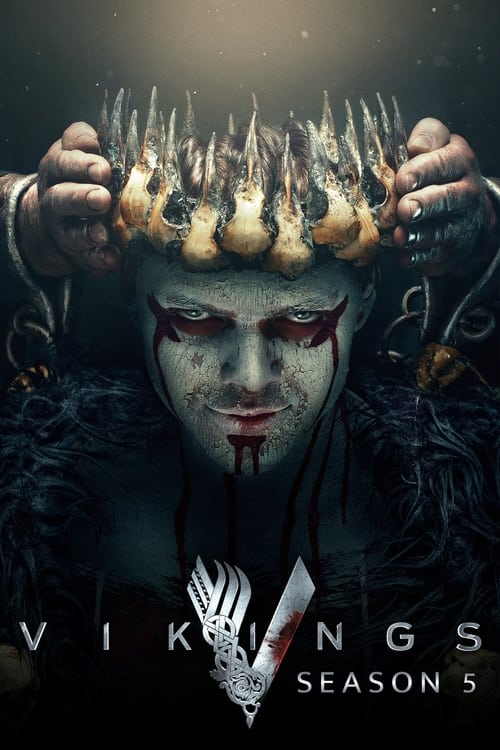
Season five begins with Ivar the Boneless asserting his leadership over the Great Heathen Army, while Lagertha reigns as Queen of Kattegat. Ivar’s murder of his brother Sigurd sets the stage for vicious battles to come as Ragnar’s sons plot their next moves after avenging their father’s death. Bjorn follows his destiny into the Mediterranean Sea and Floki who is suffering from the loss of his wife Helga, takes to the seas submitting himself to the will of the Gods. This season is full of startling alliances and unbelievable betrayals as the Vikings fight to rule the world.
Season Review
Categorical Breakdown
Characters are generally judged by merit and ambition, not by race, as the conflict is primarily 'white-on-white' (Norse vs. Saxon). The show does not vilify 'whiteness' or lecture on privilege. However, the season's foray into the Mediterranean introduces the awkward use of 'Orientalist' tropes when depicting the Moors and the Arab world, relying on clichés like harems and feminized 'Oriental' men for exoticism, rather than a genuinely colorblind approach to world cultures.
The narrative does not promote hostility toward the Vikings’ own home or ancestors. The Norse characters fiercely embrace their heritage, even in their brutal actions and constant betrayals. The core conflict is a struggle for power and conquest among themselves and against others, which validates, rather than deconstructs, the Viking spirit of ruthless vitality. Floki's idealistic attempt to create a pure, godly settlement in Iceland, though a failure, is born of devotion to his culture's gods.
The season heavily features the 'Girl Boss' trope, centering Lagertha as a powerful Queen and 'shield maiden extraordinaire' whose narrative success is largely consistent. The show continues the anachronistic portrayal of a full army of shield-maidens fighting in the vanguard as equals to men. Leading male characters like Bjorn are often reduced to blustering figures compared to the political cunning of the women around them. The show also depicts storylines where female power is prioritized over traditional familial roles, and a leading female character commits sexual assault to assert dominance.
Alternative sexualities are a visible and accepted part of the power structure, exemplified by Lagertha, the reigning Queen, maintaining an ongoing same-sex relationship with Astrid. The relationship is not merely implied but is presented as central to the Queen's personal life and court. The show frames this sexual identity as an accepted aspect of a powerful female ruler's life, which functions to normalize and center it, though it stops short of explicit gender theory or deconstruction of biological reality.
Faith is overwhelmingly portrayed as a political tool or a source of delusion, rather than a transcendent moral compass. Ivar's descent involves proclaiming himself a god, showing Norse religion being manipulated for tyrannical power. Meanwhile, key Christian characters, such as the English Bishop Heahmund, are depicted as intensely zealous but simultaneously morally compromised, fornicating, and involved in political intrigue, which undermines the Christian moral law. The strategic conversion of Ubbe and Torvi to Christianity is shown as a purely political maneuver to acquire land, emphasizing subjective power dynamics over objective truth.