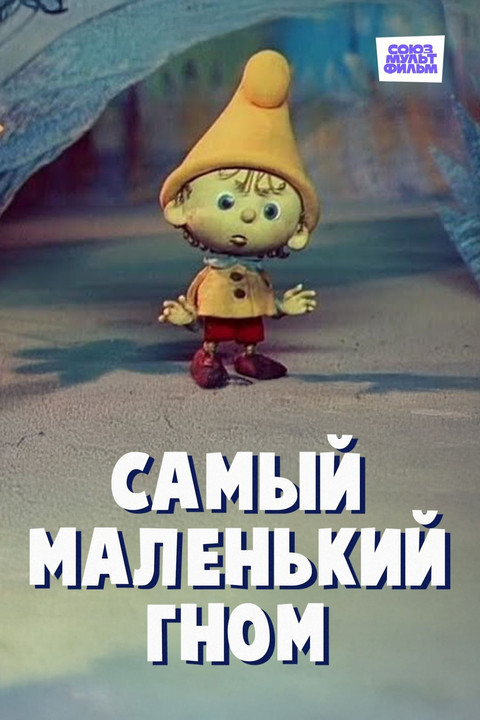
The Smallest Gnome
Plot
Dwarf Vasya is so small that no one notices him. But that doesn't upset him. The main thing is that he is able to save three piglets, seven goats, Little Red Riding Hood and her grandmother from the evil Wolf. And then he has to save the Wolf himself from... the Gray Goat!
Get the Weekly Woke Watchlist
New and trending movies scored for woke bias, preachy messaging, and forced political themes — before you waste your evening.
No spam. One useful email per week.
Overall Series Review
Categorical Breakdown
The hero, Vasya, is defined solely by his competence and heroic actions. The narrative directly demonstrates universal meritocracy, where his small size (an immutable characteristic) is a hurdle he overcomes through moral merit, not a source of systemic privilege or oppression to be lectured about.
The film is a product of Soviet animation and utilizes classic European fairy-tale archetypes, such as Little Red Riding Hood and the Wolf. It does not engage in hostility toward Western culture or ancestors. The story upholds a clear moral framework of protecting the innocent and vulnerable, which is fundamentally a pro-social and non-oikophobic message.
The male protagonist is the sole, competent hero whose primary function is to protect others. There is no presentation of a 'Girl Boss' or 'Mary Sue' trope. The female characters are in traditional roles as victims (Little Red Riding Hood, Grandmother) or mothers (the mother goat) who require a protector, and the male character's masculinity is celebrated through his protective actions.
The narrative is a children's fable that focuses entirely on an adventure of good versus evil. The core family unit (e.g., the mother goat and her kids) is presented as the normative structure under threat. There is no presence of alternative sexual ideology or deconstruction of the nuclear family.
The story is a moral allegory of good versus evil. It acknowledges an objective moral law (it is good to save the innocent) and celebrates a transcendent virtue (bravery and kindness). It is not hostile toward religion, and the moral framework is objective rather than subjective 'power dynamics'.
Get the Weekly Woke Watchlist
New and trending movies scored for woke bias, preachy messaging, and forced political themes — before you waste your evening.
No spam. One useful email per week.