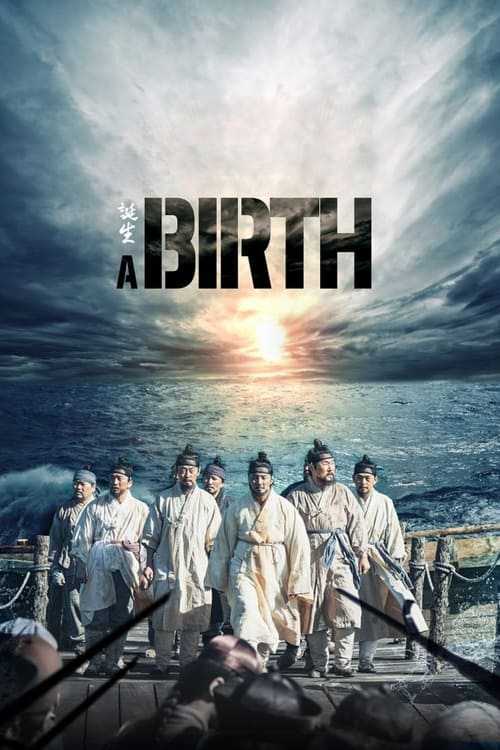
A Birth
Plot
The great adventures of Kim Dae-gun, a young man dreaming of a New Joseon. He is full of curiosity and takes action rather than words. He willingly accepts the fate of becoming Joseon’s first priest and sets out to study in Macau with his seminary classmates. And finally opens the way of the modern Joseon Dynasty by traversing the sea and land!
Get the Weekly Woke Watchlist
New and trending movies scored for woke bias, preachy messaging, and forced political themes — before you waste your evening.
No spam. One useful email per week.
Overall Series Review
Categorical Breakdown
The film judges the protagonist, Kim Dae-gun, entirely on his merit, conviction, and actions, not on any immutable characteristic or intersectional status. The theme is universal meritocracy and philanthropy. There is no focus on the vilification of any race or forced diversity, as the cast is historically and ethnically authentic to the Joseon Dynasty setting.
The narrative centers on a Korean figure striving to modernize and improve his own civilization, dreaming of a 'New Joseon Dynasty,' which is a form of pro-civilizational growth. Criticism is directed at the repressive, conservative state that persecutes its citizens, not at the 'Western home culture' as fundamentally corrupt. The adoption of Catholicism is framed as a pioneering act for his country, not as external superiority over his culture.
The plot is a historical adventure focusing on male historical figures (priests, seminarians, leaders, soldiers). The themes are priesthood, martyrdom, and political struggle. There is no presence of the 'Girl Boss' trope, anti-natalism, or explicit emasculation of males. The complementary roles of men and women are not a focus, but the story's core is centered on protective masculinity and male leadership in a religious/political context.
The narrative is focused on a 19th-century Catholic priest's spiritual and political adventure. The movie does not feature alternative sexualities, gender ideology, or a deconstruction of the nuclear family. The focus is entirely on the historical and religious quest.
The film's subject is a Catholic Saint and the narrative depicts him upholding his faith against severe persecution, enduring martyrdom for his beliefs. Faith, in this context, is depicted as a profound source of strength and the foundation for universal concepts like equality and philanthropy. This aligns completely with transcendent morality and stands in opposition to anti-theism.
Get the Weekly Woke Watchlist
New and trending movies scored for woke bias, preachy messaging, and forced political themes — before you waste your evening.
No spam. One useful email per week.