True Detective
Season 1 Analysis
Season Overview
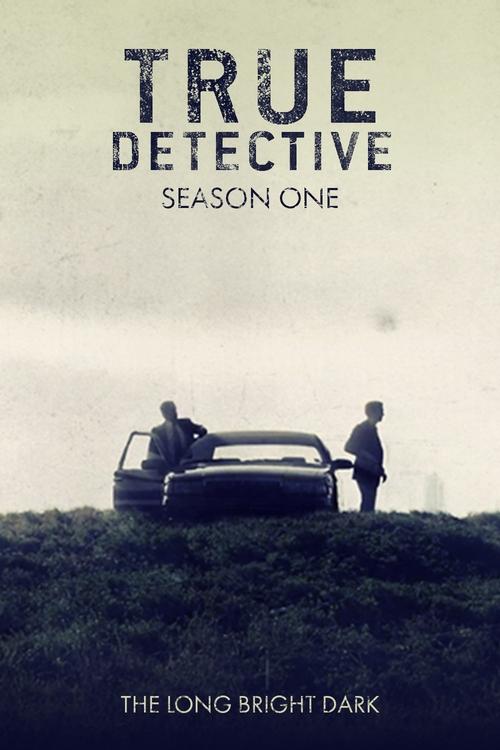
In 2012, Louisiana State Police Detectives Rust Cohle and Martin Hart are brought in to revisit a homicide case they worked in 1995. As the inquiry unfolds in present day through separate interrogations, the two former detectives narrate the story of their investigation, reopening unhealed wounds, and drawing into question their supposed solving of a bizarre ritualistic murder in 1995. The timelines braid and converge in 2012 as each man is pulled back into a world they believed they'd left behind. In learning about each other and their killer, it becomes clear that darkness lives on both sides of the law.
Season Review
Categorical Breakdown
The plot does not use an intersectional lens; the central characters are two white males judged solely by their character and competence. The powerful, corrupt villains are also members of the white elite, which grounds the corruption in class and regional power dynamics, not abstract systemic vilification of whiteness.
The narrative offers a fierce and unflinching critique of specific Southern institutions—local political, police, and religious structures—portraying them as a corrupt veil over depravity. This is a regional critique of moral failure and class inequality, not a generalized civilizational self-hatred of Western heritage.
The female characters in the series are consistently relegated to archetypes, such as the victim, the long-suffering wife, or the mistress, and the show is frequently criticized for its sexist and misogynistic portrayal of women. This focus on women as objects or secondary victims is the inverse of the modern 'Girl Boss' trope and anti-natalist narrative.
The story adheres to a normative structure, centering on the professional partnership and heterosexual family struggles of the two male detectives. The sexual elements of the plot relate exclusively to the depravity and ritualistic crimes of the cult and the main character's infidelity. No queer theory or gender ideology is present.
Organized Christian institutions and figures are heavily implicated in or cover up the horrific crimes, depicting institutional religion as a corrupted force. The main protagonist is a philosophical anti-theist who constantly preaches nihilism, framing traditional morality as a subjective lie, though the ending offers a brief pivot toward acknowledging a transcendent 'light.'