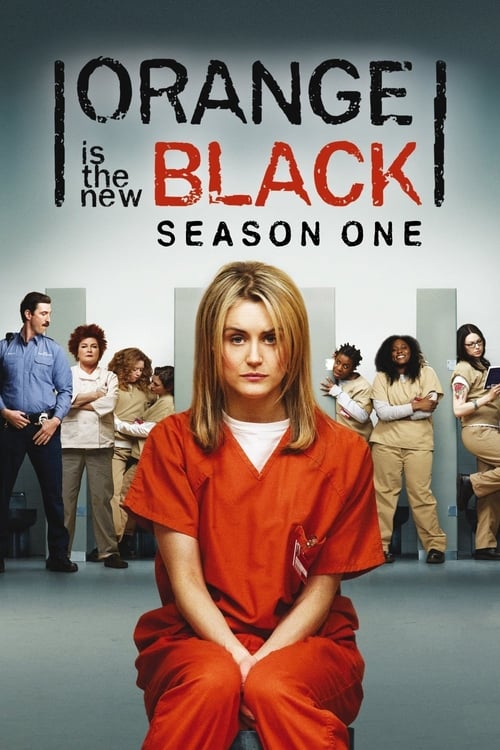
Orange Is the New Black
Season 1 Analysis
Season Overview
Piper must trade her comfortable New York life for an orange prison jumpsuit when her decade-old relationship with a drug runner catches up with her.
Season Review
Categorical Breakdown
The narrative explicitly uses the protagonist's 'white privilege' to highlight the systemic injustice and class disparities faced by the diverse, non-white inmates. Flashbacks routinely detail how race, poverty, and other immutable characteristics placed the marginalized characters in prison, while the system is presented as the primary villain. The plot exists to lecture on privilege and systemic oppression.
The central institutional setting, the American federal prison system, is portrayed as fundamentally broken, corrupt, and dehumanizing. The narrative repeatedly focuses on the system's 'deep, enduring failures' and its commercialization, framing a core American institution as fundamentally flawed rather than a source of order or justice.
The story centers on an all-female 'sisterhood' that celebrates resilience and chosen family. Men who represent authority—the Correctional Officers—are shown as abusive, corrupt, or simple-minded. Men in the outside world (Piper's fiancé) are rendered ineffective and ancillary to her personal growth. The male gender is broadly emasculated or shown as toxic, while female power dynamics dominate the plot.
Alternative sexualities are a central plot point, as the protagonist is a bisexual woman whose past lesbian relationship led to her incarceration. The season prominently features a transgender character whose struggles with 'transmisogyny' are used to directly comment on social injustice and biological reality as bigotry. Sexual identity is a highly centered trait for multiple major characters.
Traditional Christianity is depicted almost exclusively through the character of Tiffany 'Pennsatucky' Doggett, a fanatical, violent, and ignorant inmate whose backstory includes shooting an abortion clinic worker. She is presented as a bigoted villain who attempts to stab Piper with a cross, framing conservative Christian faith as the root of irrationality and violence.