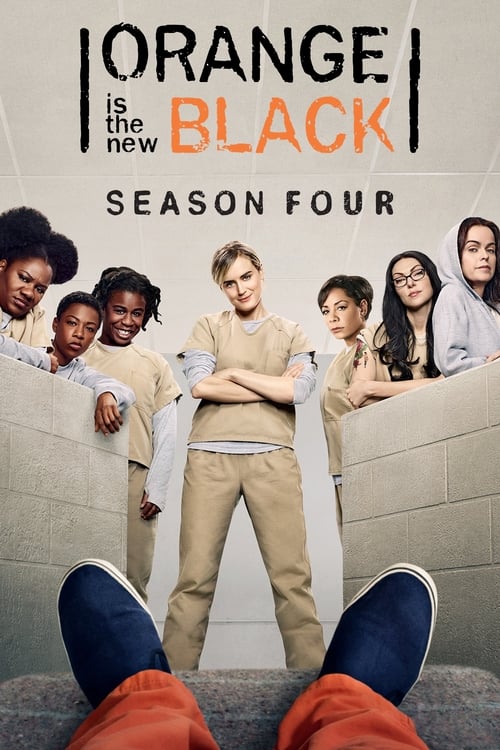
Orange Is the New Black
Season 4 Analysis
Season Overview
New faces and old resentments make for a potentially volatile blend, especially now that Litchfield is a for-profit business.
Season Review
Categorical Breakdown
The narrative makes race and immutable characteristics the primary engine of the plot, which is explicitly driven by a breakdown into racial groups for community and conflict. The white protagonist, Piper, is shown to be a privileged instigator whose actions inadvertently create a white nationalist group within the prison, while the death of a beloved Black inmate at the hands of an incompetent white guard serves as the season's devastating climax, directly framing the conflict as systemic oppression.
The season's central villain is the American 'prison industrial complex,' which is portrayed as an institution fundamentally corrupted by corporate greed and a lack of humanity. The Management & Correction Corporation (MCC) and the guards they hire are depicted as agents of systemic racism and abuse. The setting itself frames American governance and capitalism as the root cause of the prisoners' suffering and loss of basic decency.
Male characters in positions of authority, particularly the guards and corporate executives, are consistently portrayed as either abusive, incompetent, or morally bankrupt, highlighting the systemic failure of male-run power structures. While the female leads are complex and flawed, the overarching theme is the oppression of women by a toxic patriarchal system represented by the MCC and the guards, leading to tragic outcomes for the women.
Alternative sexual identities and gender expressions are a normalized and centered aspect of the community among the inmates. The transgender character, Sophia Burset, continues to be a victim of systemic abuse and isolation due to transphobia from both the guards and other inmates, framing her struggle as a key example of intersectional oppression. Homosexuality and bisexuality are treated as standard, private aspects of character, but the systemic response to transgender identity is used as an indictment of the prison's cruelty.
Religious themes from previous seasons recede to the background, with the moral critique shifting almost entirely to the political system and corporate amorality. The show does not portray the Christian characters as the root of evil; instead, the root of evil is the greed of the secular corporate prison. The moral compass is derived from the acknowledged injustice of the system's actions, which functions as a form of transcendent moral law by marking the system's actions as undeniable evil.