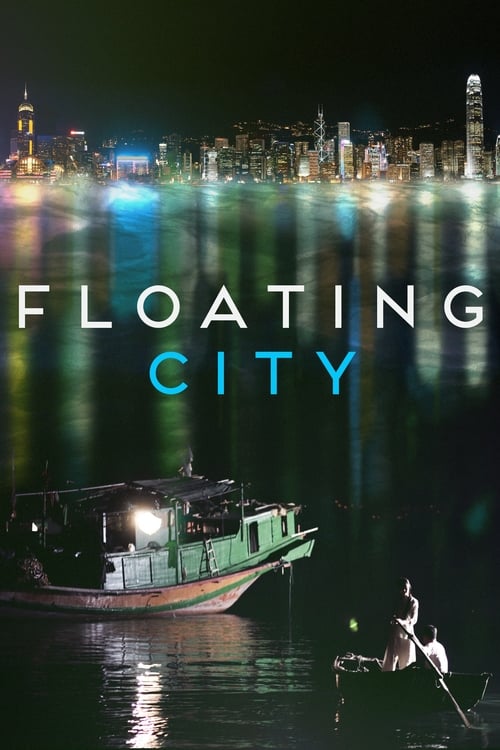
Floating City
Plot
Set in Hong Kong in the 1980s, the film follows a fisherman’s son who rises to become a powerful tai pan.
Get the Weekly Woke Watchlist
New and trending movies scored for woke bias, preachy messaging, and forced political themes — before you waste your evening.
No spam. One useful email per week.
Overall Series Review
Categorical Breakdown
The plot's central dramatic tension is the protagonist's struggle with his mixed-race identity (half-Chinese, half-Caucasian) and the racial and class discrimination he faces from both sides in colonial Hong Kong. However, his success is explicitly presented as a result of merit and 'hard work' in a classic rags-to-riches format, undermining the 'systemic oppression' focus of a 10/10 score. The British characters are a mix: one is a sympathetic head who helps him, and another is a racist boss who is sacked for mismanagement. The focus is on a universal theme of identity reconciliation within a historical context, not a lecture on 'whiteness' as a singular evil.
As a Hong Kong/Chinese co-production, the film's critique is focused on the external system of British colonialism and its dissolution. The narrative celebrates the protagonist's Tanka boat-dweller family and the 'unwavering devotion' of his mother, showing gratitude and respect for his cultural roots and ancestors, which is the opposite of civilizational self-hatred.
The film strongly celebrates traditional family and motherhood. The protagonist's mother is a central, heroic figure whose 'unwavering devotion to her seven children' and pioneering act of getting a boating license provides the foundation and 'courage' for her son's dream. Masculinity (the male protagonist's rise through hard work) is affirmed, and no anti-natal or emasculating messaging is evident.
The plot focuses entirely on racial identity, class struggle, the protagonist's family, and his career rise within the historical context of Hong Kong. There are no elements of alternative sexualities being centered, nor any deconstruction of the nuclear family or promotion of gender ideology.
There are no reported themes of anti-theism or hostility toward religion in the plot summaries. The central conflict is socioeconomic and about personal cultural identity. The drama operates on themes of family loyalty and moral conviction (honoring his roots) over moral relativism.
Get the Weekly Woke Watchlist
New and trending movies scored for woke bias, preachy messaging, and forced political themes — before you waste your evening.
No spam. One useful email per week.