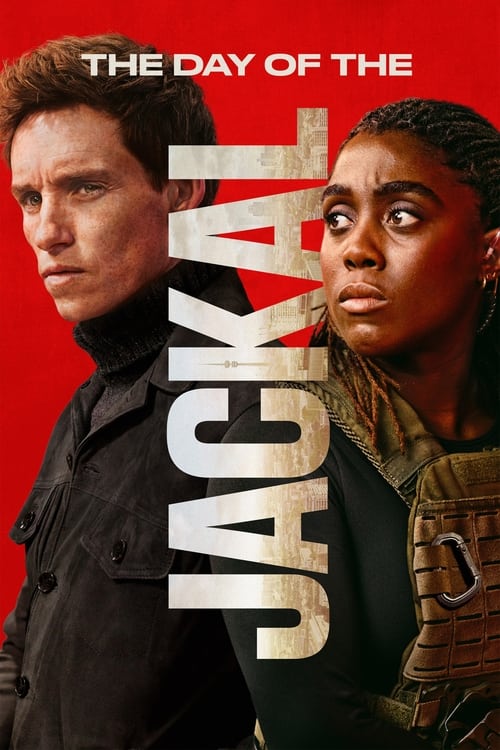
The Day of the Jackal
Season 1 Analysis
Season Overview
No specific overview for this season.
Season Review
Categorical Breakdown
The lead investigator is race-swapped from the original source material to fit an intersectional profile. The narrative emphasizes the struggle of a diverse protagonist against a rigid, predominantly white institutional hierarchy.
Western intelligence agencies like MI6 are depicted as morally bankrupt, deceptive, and willing to sacrifice their own agents for political optics. The series frames the established Western order as something that needs to be dismantled or fundamentally distrusted.
The female lead is a quintessential 'Girl Boss' who is consistently smarter, tougher, and more dedicated than the men around her. Male colleagues are frequently portrayed as bureaucratic hurdles, incompetent, or morally inferior.
Alternative sexualities are integrated into the background to reflect modern social standards. While not the primary focus of the plot, the show avoids traditional normative structures in favor of contemporary representation.
The story takes place in a spiritually vacant world driven by technology and moral relativism. Traditional faith is non-existent, and morality is treated as a subjective calculation based on power and survival rather than higher law.