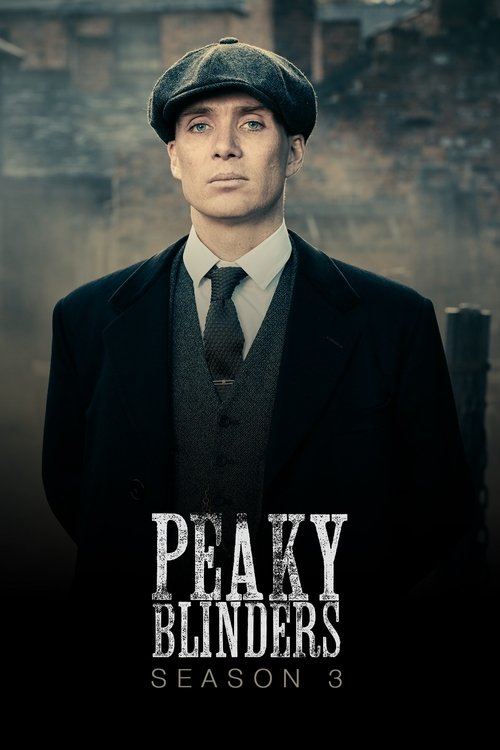
Peaky Blinders
Season 3 Analysis
Season Overview
The action has moved on two years to 1924 and as Tommy starts married life he is more determined than ever to go legitimate and keep his family safe. But he finds himself pulled into a web of intrigue more lethal than anything he has yet encountered.
Season Review
Categorical Breakdown
Characters are overwhelmingly judged by competence, loyalty, and ambition rather than immutable characteristics. The central conflicts are rooted in class warfare and criminal rivalries (Shelby vs. Changretta, Shelby vs. the English aristocracy). The Shelby family's Romani/Irish Traveller (Gypsy) heritage serves as a foundational background for their outsider status and mistrust of the English elite, but the primary protagonist remains a highly capable white male, and there is no overt narrative vilification of 'whiteness' itself, only the corrupt upper echelons of English society.
The central antagonists are not foreign invaders but powerful, established members of the English elite and state intelligence (Section D, Economic League) who are utterly corrupt. A key villain is a high-ranking British Catholic priest, Father Hughes, who exploits and traffics children. The narrative consistently frames the British ruling class as more treacherous and evil than the street gangsters. Tommy Shelby explicitly articulates his hostility toward the institutions of his home country and its leaders, seeing them as the root of systemic betrayal and corruption.
Polly Gray and Ada Shelby exert strong influence, holding high-level positions as family treasurer and head of the American branch. Linda Shelby, Arthur's wife, pushes a feminist-adjacent agenda by organizing the Shelby women for a strike alongside real-life Communist activist Jessie Eden, challenging Tommy's authority. Motherhood and family are significant motivators, most notably Tommy’s final desperate act to save his son, but the show gives significant screen time to women rejecting traditional domesticity for power or political action. The women are generally complex and powerful, not simple damsels, though their actions often revolve around the Shelby men.
The narrative does not center on alternative sexualities or gender identity. Heterosexual relationships and the nuclear family structure (even the broken one) remain the standard focus for the main characters. A Russian Grand Duchess is introduced with a volatile and reckless sexuality, but this character trait is a function of her aristocratic nihilism and decadence, not a political statement about sexual identity.
Tommy Shelby's nihilism and outright rejection of faith is a core philosophical theme, articulated by his quote, 'All religion is a foolish answer to a foolish question.' A key villain is Father Hughes, a highly connected Catholic priest and a sexual predator, which vilifies organized religion and its representatives at a systemic level. Arthur Shelby's attempts to find salvation in Christianity provide a counterpoint but ultimately fail to shield him from his nature, suggesting faith is an insufficient defense against chaos or evil.