Peaky Blinders
Season 5 Analysis
Season Overview
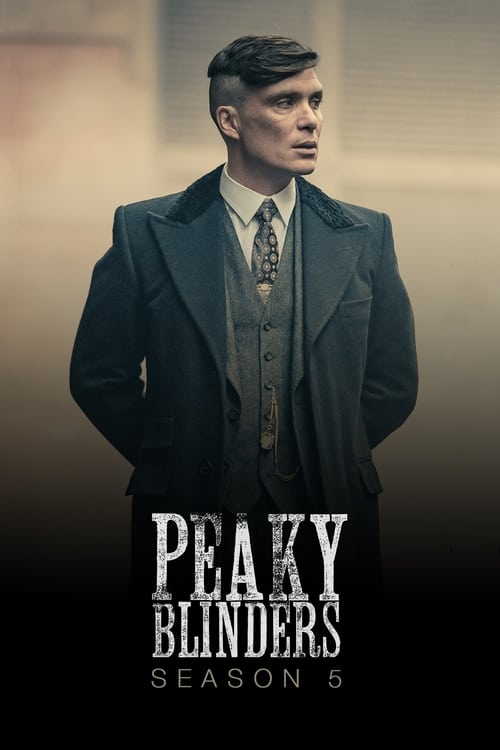
It is 1929, Tommy Shelby MP is approached by a charismatic politician with a bold vision for Britain, he realises that his response will affect not just his family’s future but that of the entire nation.
Season Review
Categorical Breakdown
The main conflict is the aristocratic white fascist Sir Oswald Mosley versus the working-class, Romani-adjacent Tommy Shelby. The narrative vilifies the white nationalist, race-supremacist ideology of the villain, not 'whiteness' in general. The Romani heritage of the Shelbys acts as a source of strength and opposition to the mainstream establishment's privilege. Tommy's ally against Mosley, Colonel Ben Younger, is a black military officer. The character focus remains on individual merit (or criminality) and the political fight against genuine, historical race-based politics.
The plot's primary critique is directed at the rise of a malignant, anti-democratic, populist, and fascist movement within the British political establishment, represented by Mosley. This is an attack on a corrupt political ideology, not a general hostility toward Western civilization, home, or ancestors. The show holds up a positive view of defending the nation from this internal corruption, which is a key element of the plot, though it maintains a cynical view of the upper-class political system.
The female characters, particularly Polly Gray and Ada Thorne, are vital, powerful figures in the Shelby Company's board, demonstrating high capability. However, the family remains a male-led hierarchy, and much of the women's agency is ultimately channeled through the patriarch, Tommy. Lizzie Stark's arc as Tommy’s wife emphasizes her isolation and subservience within a loveless marriage. The female leads are generally complex and flawed, not perfect 'Mary Sues.' The core dynamic is complex, but the traditional male-led power structure is not fully deconstructed.
The season contains no discernible plot lines, characters, or thematic focus on alternative sexualities, gender identity, or queer theory. The central relationships and family structures are exclusively normative male-female pairings and the nuclear family unit (however fractured).
Tommy Shelby's severe Post-Traumatic Stress Disorder and mental breakdown lead him into deep existentialism, nihilism, and spiritual despair, including hallucinatory visions of his deceased wife. This creates a personal spiritual vacuum for the protagonist. However, the narrative does not universally demonize traditional religion or frame Christian characters as inherently bigoted; the primary evil is political fascism. The family's Romani heritage and its associated beliefs are treated as a genuine, non-Christian source of moral and spiritual guidance, rather than being dismissed.