Brooklyn Nine-Nine
Season 2 Analysis
Season Overview
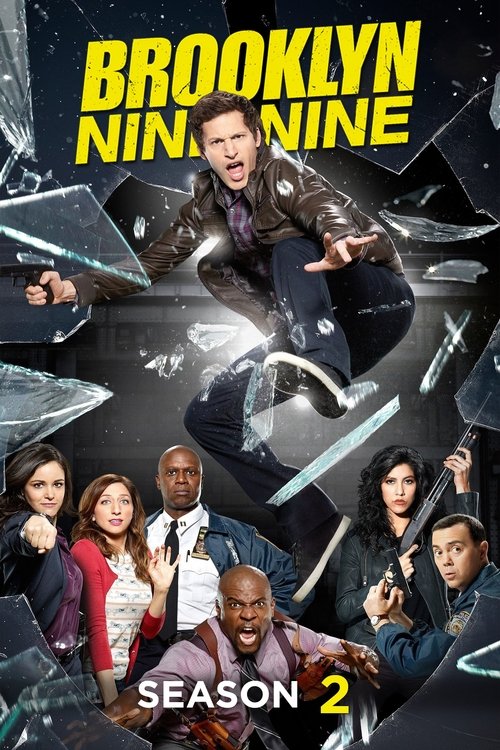
In Season 2, Jake smokes out a mole in the precinct, Amy finds a flaw in one of Holt's old cases, and the precinct gets antiterrorism training.
Season Review
Categorical Breakdown
The main white male protagonist, Jake Peralta, is consistently portrayed as immature, childish, and a detective genius whose career is handicapped by his incompetence with simple procedure. The show elevates diverse characters into all leadership and hyper-competent positions, including the Black, gay Captain Holt, the Black Sergeant Terry Jeffords, and the two highly capable Latina detectives, Amy Santiago and Rosa Diaz. The narrative celebrates diversity as an intrinsic good but generally focuses on character quirks over explicit political lecturing in this season.
The central setting is the NYPD, a major Western institution. The show frames the precinct as a positive and functional work family, not as an inherently corrupt or racist organization. Internal corruption or systemic prejudice is personified in individual antagonists, such as Deputy Commissioner Wuntch, who represent an outdated and bigoted establishment that Captain Holt overcame. The narrative validates the work of the police and treats it as a necessary shield against chaos, reflecting institutional gratitude rather than civilizational self-hatred.
The female leads, Detectives Amy Santiago and Rosa Diaz, are consistently depicted as the most mature, competent, and driven detectives in the precinct. Jake Peralta, the male protagonist, is frequently emasculated through his childlike immaturity and inability to handle administrative tasks, which Amy or Holt must correct. This dynamic establishes the female characters as the functional adults and the primary male lead as the bumbling boy, which aligns with the 'Girl Boss' trope.
Captain Raymond Holt is an openly Black and gay man married to his husband, Kevin. His sexual identity is not his sole personality trait, but his history of facing institutional discrimination within the NYPD is directly referenced, centering an LGBTQ+ narrative within the institutional setting. The nuclear family is deconstructed by presenting the homosexual coupling of Holt and Kevin as a 'healthy, loving marriage' that is fully normalized within the precinct's world, placing alternative sexuality on an equal footing with traditional pairing.
The show is a secular workplace comedy that does not feature religion as a major theme or source of conflict. No characters are depicted as religious figures or bigots, and traditional faith is neither celebrated nor actively vilified. The morality of the show is secular and objective, focusing on the pursuit of justice and the difference between criminals and good citizens, resulting in a neutral score.