Brooklyn Nine-Nine
Season 3 Analysis
Season Overview
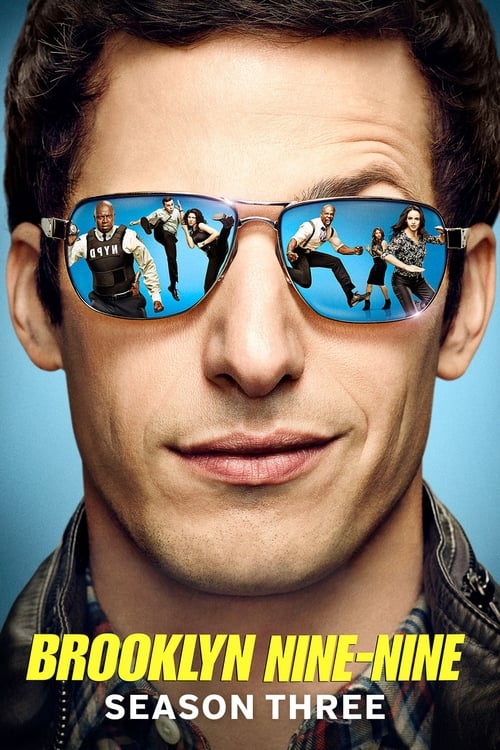
After Holt's transfer, the precinct isn't happy with his replacement. Amy and Jake adjust to romance, while personnel changes shake up the department.
Season Review
Categorical Breakdown
The ensemble is intentionally built on intersectional diversity, featuring a Black gay man as the Captain and two Latina women as lead detectives who are highly successful and competent. The Captain's backstory repeatedly highlights the systemic discrimination he faced due to his race and sexuality. White male characters are frequently used as the butt of jokes due to their incompetence or immaturity, though the main white protagonist remains central to the narrative and shows development.
The show does not engage in civilizational self-hatred. It is set within a traditional American institution, the NYPD, and focuses on the integrity of the individuals within it. External threats are a mob boss and an internal FBI mole. The police precinct and its operations are the 'home' that the characters protect and value. The narrative does not frame the police institution or Western culture as fundamentally corrupt, only that it can contain corrupt elements.
The core female characters, Rosa and Amy, are high-achieving, strong, and emotionally independent 'Girl Boss' figures. Rosa embodies the anti-feminine, physical stereotype-breaker. Amy is the hyper-competent perfectionist who often serves as the mature foil and emotional guide for the immature male protagonist, Jake. Terry, the muscled Black sergeant, is characterized as a sensitive, nurturing, out-and-proud feminist, serving to deconstruct traditional masculinity. This dynamic heavily favors the competence of the female leads and the emasculation of the male leads for comedic effect.
The core of the show's diversity includes a main character, Captain Holt, who is an openly gay, Black man and a happily married leader. His successful, non-stereotypical same-sex marriage to Kevin Cozner is normalized and is a consistent part of his character arc. The show centers this non-traditional sexual identity as a source of strength and personal history. It is not an overt lecture on gender theory, but it prominently features a non-normative structure as a foundational element of the series.
The show is largely secular in its worldview. Characters do not draw strength from faith or reference a transcendent moral law; morality is generally objective (cops catching criminals) but based on humanist values and 'found family' commitment. There is no direct hostility toward traditional religion, but a moral vacuum exists where spiritual faith is simply absent, favoring subjective, secular values as the moral compass.