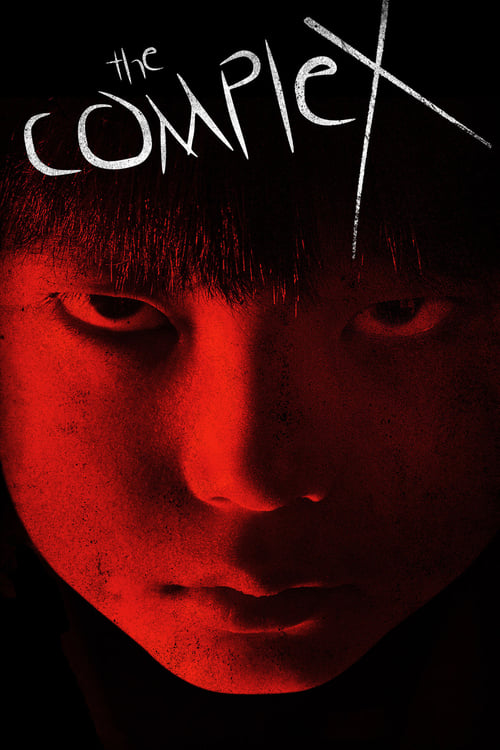
The Complex
Plot
Nursing student Asuka has just moved into an apartment complex with her parents and younger brother. On the first night in her new room, she is awoken by a strange scratching sound coming from the apartment of her neighbor, a reclusive old man who has refused all attempts at communication. Concerned over his well being, Asuka enters his home only to find him dead from malnutrition. Worse, it looks as if he had been trying to claw his way into her room. Asuka learns that there have been a number of strange deaths in the complex over the years from Shinobu, the handyman cleaning up the old man’s apartment. Even the girls at school whisper rumors of it being haunted.
Get the Weekly Woke Watchlist
New and trending movies scored for woke bias, preachy messaging, and forced political themes — before you waste your evening.
No spam. One useful email per week.
Overall Series Review
Categorical Breakdown
The story is rooted entirely in Japanese culture and context. Characters are judged solely by their actions and their entanglement with the supernatural haunting and their personal psychological issues. The casting is ethnically authentic to the setting. The narrative contains no elements of race-based or intersectional commentary.
The film’s setting in a decaying *danchi* offers a critique of a specific modern Japanese social failure (urban isolation and community decay) rather than a condemnation of the nation's core culture or history. The resolution actively embraces traditional spiritual practices, suggesting value in native cultural institutions as a defense against chaos, not as fundamentally corrupt.
The female protagonist, Asuka, is the central figure and driver of the investigation, though her mental fragility and guilt are emphasized, making her a vulnerable heroine, not a perfect 'Girl Boss.' She is a nursing student focused on care, not a professional defined by hyper-careerism. She interacts with a family structure, which is a source of her trauma. A helpful male character assists her, and a female shaman provides the spiritual solution, representing a balance of gender roles without emasculation or anti-natalist lecturing.
The plot focuses entirely on supernatural horror, personal grief, and family dynamics (real and illusory). Sexual and gender identity are not addressed, centered, or used as a source of ideological messaging. The narrative maintains a normative structure by focusing on a traditional family unit as the backdrop for the haunting.
The core of the horror and its resolution is based on an acceptance of the supernatural and an afterlife. The film concludes with a traditional Japanese exorcism performed by a shaman, directly affirming the existence of an objective, transcendent spiritual reality that influences the material world. There is no hostility toward religion or promotion of moral relativism.
Get the Weekly Woke Watchlist
New and trending movies scored for woke bias, preachy messaging, and forced political themes — before you waste your evening.
No spam. One useful email per week.