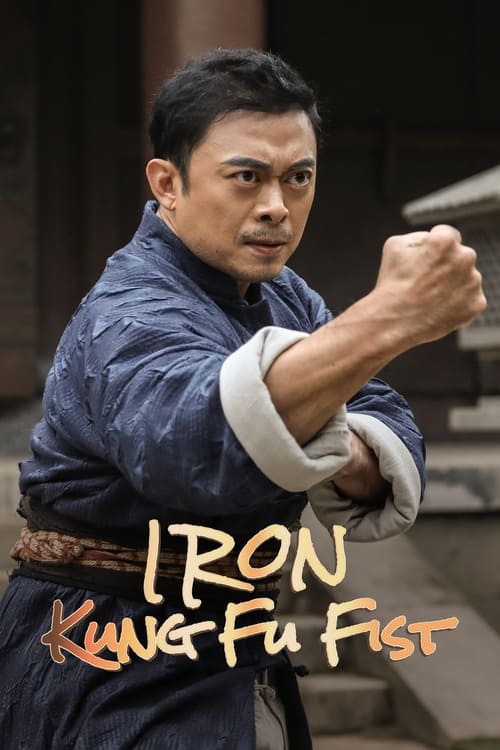
Iron Kung Fu Fist
Plot
Liang Kun has been practicing Shaolin kung fu for years. To protect his beloved, he vows not to interfere with matters of the martial arts world. But then, the person he loves the most dies tragically as a result. Finally grasping the true meaning of the martial arts world, Liang Kun decides to fight various groups of bandits in order to avenge his beloved.
Get the Weekly Woke Watchlist
New and trending movies scored for woke bias, preachy messaging, and forced political themes — before you waste your evening.
No spam. One useful email per week.
Overall Series Review
Categorical Breakdown
The plot is a classic, universally understood revenge story driven entirely by the protagonist's personal code, skill, and loss, which exemplifies character merit. The casting is historically and culturally authentic to the Chinese martial arts setting. The narrative contains no discussion of 'whiteness' or Western privilege, nor does it feature any forced diversity, as the cast is organically from the culture depicted.
The movie is a non-Western production set in a Chinese cultural and historical context. The protagonist, a 'Canton Tiger,' is fighting local bandits to protect his community and avenge his loss. This action is a defense of his home and the moral order of his civilization, demonstrating gratitude and respect for traditional justice rather than self-hatred.
The female character's role is primarily as the 'beloved' whose tragic death serves as the sole catalyst for the male protagonist's heroic arc. Her death exists to motivate the hero, which adheres to the 'fridging' trope. However, the female lead is not a 'Girl Boss' or a 'Mary Sue,' and the story's focus is on the male protagonist fulfilling his protective, masculine role, which is not an active emasculation of the male character.
The narrative focuses on a traditional martial arts revenge plot. The central relationship is a standard male-female pairing ('Liang Kun' and his 'beloved'). There is no plot or character focus on alternative sexualities, deconstructing the nuclear family, or referencing any specific gender ideology. Sexuality is private and traditional family structures are the assumed standard.
The hero's background is Shaolin kung fu, which is rooted in Buddhist philosophy, and the conflict itself is based on a clear objective moral code: good masters fighting evil bandits for justice and vengeance. The hero is motivated by his solemn vow and a desire to right a grave wrong. The movie contains no explicit hostility toward organized religion or an embrace of moral relativism; the morality is black and white.
Get the Weekly Woke Watchlist
New and trending movies scored for woke bias, preachy messaging, and forced political themes — before you waste your evening.
No spam. One useful email per week.