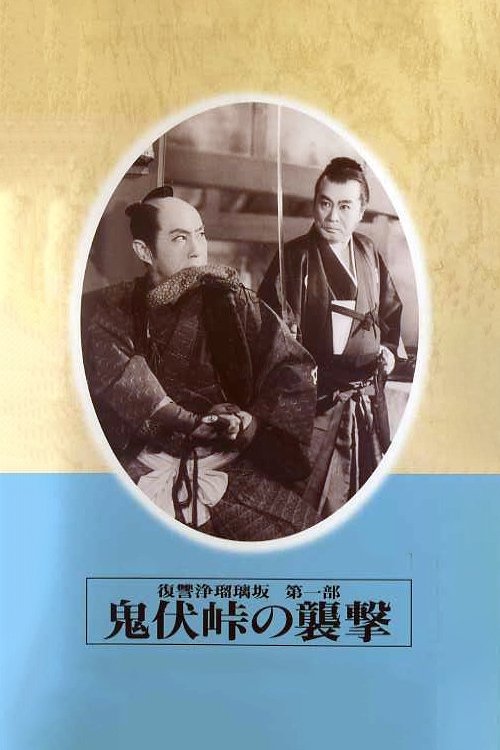
Revenge of Jorurizaka 1: Attack at Onibushi Pass
Plot
Get the Weekly Woke Watchlist
New and trending movies scored for woke bias, preachy messaging, and forced political themes — before you waste your evening.
No spam. One useful email per week.
Overall Series Review
Categorical Breakdown
The narrative focuses on a quest for revenge based on honor and justice, universal themes of character and moral code. Identity is defined by duty and skill in combat. The film is a Japanese period piece, rendering the concept of 'vilification of whiteness' and 'race-swapping' irrelevant. Characters are judged strictly by the content of their soul and their actions.
The film is a period piece that engages with classic Japanese concepts of honor and justice within its own history. The revenge plot hinges on restoring a moral order, which views institutions and ancestral codes of conduct as necessary shields against chaos and treachery. There is no hostility toward the home culture or the ancestors, only toward the specific villains who have corrupted the local order.
Gender roles are presented in a traditional and complementary structure appropriate for the feudal setting. While female characters may be strong and determined, their strength supports the central themes of the period drama without resorting to the 'Girl Boss' trope or the emasculation of male leads. Motherhood and family ties are fundamental motivations for the characters' sense of duty and sacrifice.
The story adheres to the normative structure of traditional male-female pairing as standard for relationships and family structure in the historical setting. The plot is focused on revenge and duty, with no centering of alternative sexualities or political lecturing on gender ideology. Sexuality is treated as private and conventional to the time and place.
The moral framework is transcendent, based on traditional concepts of honor, duty, and justice inherent in the Jidaigeki genre. The conflict is between good and evil, loyalty and treachery, acknowledging a higher moral law. The film is set in Japan and does not feature hostility toward Christianity; faith and spiritual codes are sources of strength or moral guidance for the characters.
Get the Weekly Woke Watchlist
New and trending movies scored for woke bias, preachy messaging, and forced political themes — before you waste your evening.
No spam. One useful email per week.