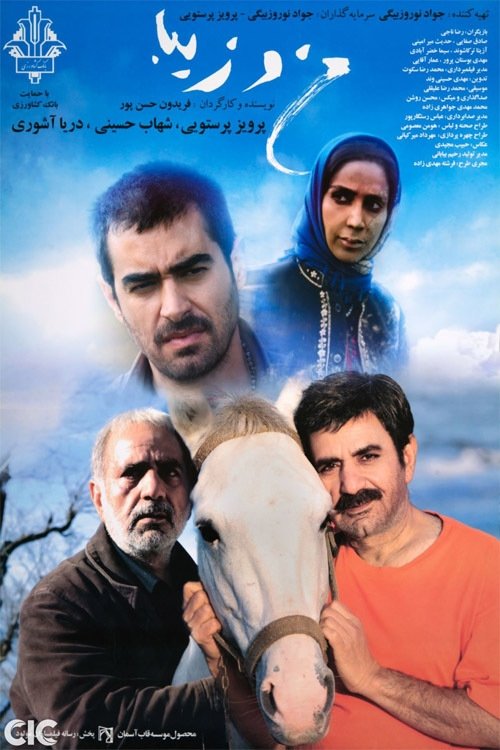
Ziba and I
Plot
On a rainy cold night, Raheleh cannot survive travail and dies before her husband Mousa arrives home. For the rest of life, Mousa accuses himself for her death. He devotes himself and his ...
Get the Weekly Woke Watchlist
New and trending movies scored for woke bias, preachy messaging, and forced political themes — before you waste your evening.
No spam. One useful email per week.
Overall Series Review
Categorical Breakdown
The film's focus is on a profound personal tragedy and a father’s moral struggle and devotion to his child. The character is judged entirely by his actions and inner life following a universal experience of grief, not by an intersectional hierarchy. The narrative does not feature 'whiteness' to vilify or forced insertion of diversity.
The entire story is rooted in the hero's personal struggle within his own culture, centered on the sanctity of his family unit. The narrative theme is one of profound devotion to a lost wife and a son, upholding traditional family institutions rather than demonizing or deconstructing the home culture.
The female character, Raheleh, is not a 'Girl Boss' but a celebrated figure whose memory is a 'memento' that drives the male hero's life, directly valuing motherhood. The male lead is depicted as profoundly dedicated and self-sacrificing, which counters the emasculation trope.
The plot strictly follows a traditional male-female pairing and the resulting nuclear family unit (father and son). There is no presence, centering, or discussion of alternative sexualities, gender identity, or 'queer theory' ideology.
The man's self-accusation and devotion to family can be seen as a deeply moral or spiritual quest. There is no indication of hostility toward faith, moral relativism, or the depiction of religious characters as villains. The morality presented is objective, based on duty and enduring love.
Get the Weekly Woke Watchlist
New and trending movies scored for woke bias, preachy messaging, and forced political themes — before you waste your evening.
No spam. One useful email per week.